
Cultivating Joy

Home >> Uncategorized>> Cultivating Joy

Cultivating Joy: Healthy Habits and Purposeful Routines in Habilitation

Aging is a journey that should be marked by fulfillment, connection, and joy. For older adults with Intellectual and Developmental Disabilities (IDD), building simple, healthy daily habits is the key to maintaining physical health, cognitive longevity, and emotional well-being.

In traditional day programs, routines are often highly institutionalized and set by the facility, offering participants little choice or personal autonomy.

At Grace Steps, we believe that happiness in later years is built on choice, self-determination, and active participation in the community. Through our Off-Site Individualized Skills and Socialization (ISS) program, we help participants establish positive, health-promoting habits that are grounded in real-world environments. Here is how we cultivate routines that support a happier, healthier old age.

—————————————————————————

1. Fostering Autonomy Through the Power of Choice

A fundamental habit for happiness is having control over one’s life. Rather than following a pre-set facility schedule, Grace Steps participants are encouraged to make active decisions every day:

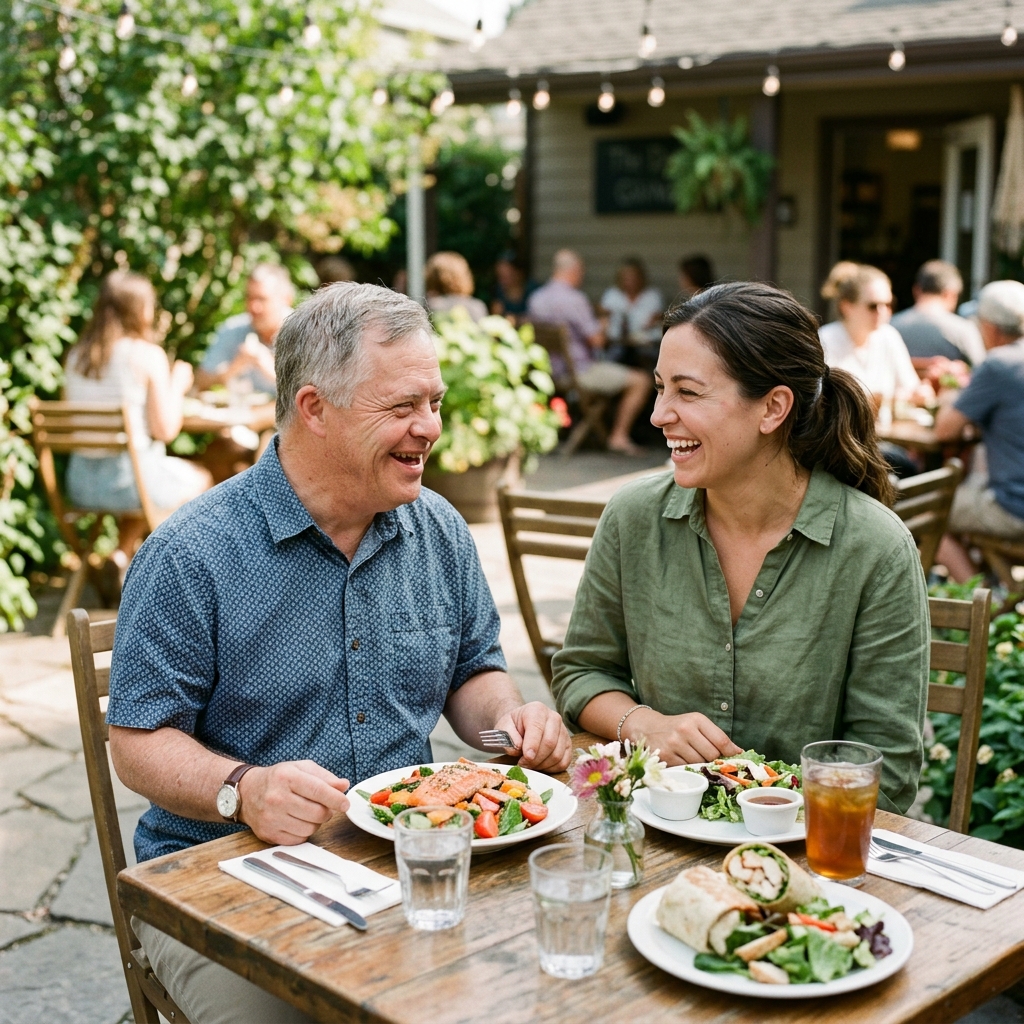
  • Designing Outings: Choosing the parks, libraries, volunteer sites, or cafés they wish to visit.
  • Selecting Activities: Deciding which hobbies, games, or social goals to focus on during the outing.
  • Financial Autonomy: Practicing the habit of budgeting personal funds and making independent transaction choices at stores or cafés.

Fostering this sense of agency builds self-esteem, reduces anxiety, and keeps participants actively engaged with their lives.

—————————————————————————

2. Integrating Healthier Physical and Social Rituals

A happier old age is supported by regular, positive habits that keep both the body and mind active. During our 100% off-site outings, we help participants establish healthy daily rituals:

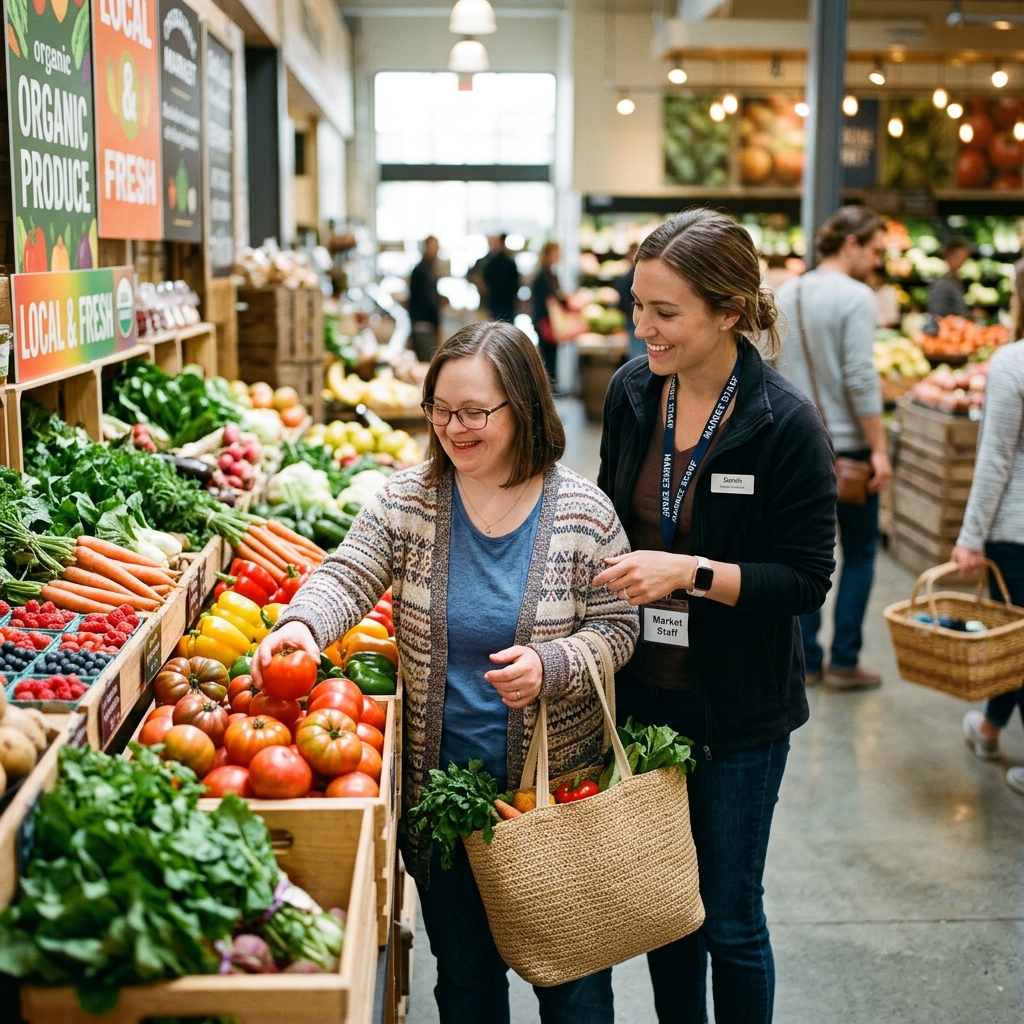
  • Active Nutrition Choices: Practicing the habit of planning healthy menus, shopping for fresh ingredients at local markets, and choosing balanced meals during café visits.
  • Consistent Mobility Walks: Incorporating gentle, scenic walks in outdoor parks to build physical stamina and improve joint health.
  • Regular Social Connections: Making social interaction a daily habit by conversing with peers, meeting community members, and cooperating on shared volunteer projects.

These habits provide a natural sense of routine and security while stimulating physical and mental agility.

—————————————————————————

3. Creating Opportunities for Civic Purpose

One of the most powerful habits for long-term happiness is feeling like a valued, contributing member of society. Traditional programs often position individuals with disabilities solely as recipients of care.

Grace Steps flips this model by establishing structured volunteer habits:

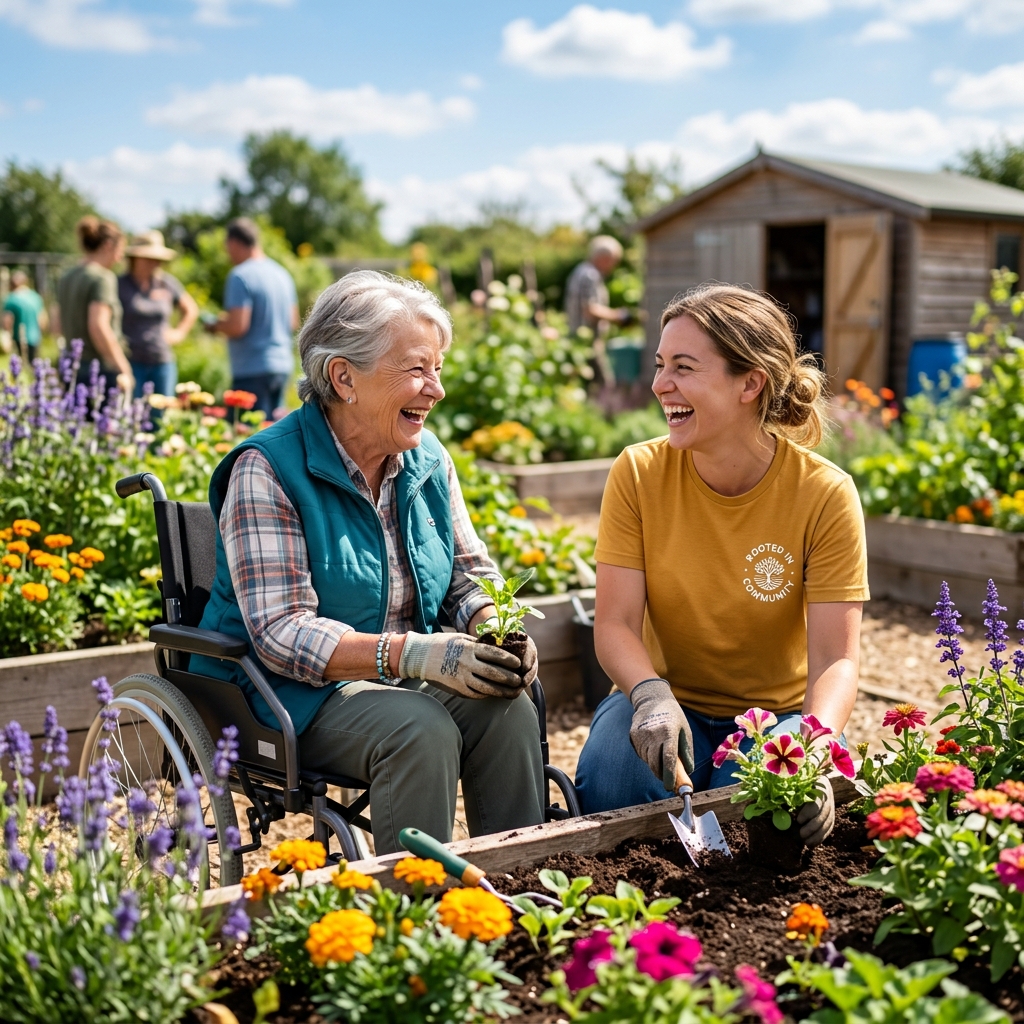
  • Food Pantries & Gardens: Volunteering at regional food pantries or planting community gardens.
  • Civic Contribution: Engaging in community cleanups or supporting local events.

Contributing to the community provides a profound sense of purpose, civic pride, and mutual respect, which are essential components of emotional wellness in older age.

—————————————————————————

4. The Caregiver-Employee Model: Seamless Support

Transitioning between home and community to establish new routines can sometimes be overwhelming.

To bridge this gap, Grace Steps employs primary Host Home/Companion Care (HHCC) providers as off-site facilitators. Because they live and work with the participants, they bring distinct advantages:

  • Trusted Transitions: A familiar, trusted caregiver minimizes environmental anxiety, making new community habits easier to adopt.
  • Consistent Reinforcement: Healthy choices practiced in the community—such as selecting fresh food or managing behavior triggers—are seamlessly reinforced in the home environment.
  • Individualized Pacing: Facilitators understand the participant’s specific baseline, adjusting routines to ensure that outings are positive, stress-free, and joyful.

Take the Next Step with Grace Steps

Healthy habits build happy lives. Through our Off-Site ISS services, we are committed to helping older adults in rural Northeast Texas under HCS and CLASS waivers discover new purposes, make independent choices, and thrive.

*Want to learn more about how we build positive, joy-filled routines into community outings? Contact our team today to find out more.*

Why do we use it?

Lorem Ipsum is simply dummy text of the printing and typesetting industry. Lorem Ipsum has been the industry's standard dummy text ever since the 1500s, when an unknown printer took a galley of type and scrambled it to make a type specimen book. It has survived not only five centuries, but also the leap into electronic typesetting, remaining essentially unchanged. It was popularised in the 1960s with the release of Letraset sheets containing Lorem Ipsum passages, and more recently with desktop publishing software like Aldus PageMaker including versions of Lorem Ipsum.

Lorem Ipsum is simply dummy text of the printing and typesetting industry.

Lorem Ipsum is simply dummy text of the printing and typesetting industry.

Lorem Ipsum is simply dummy text of the printing and typesetting industry.

Lorem Ipsum is simply dummy text of the printing and typesetting industry.


LATEST NEWS

At Grace Steps, we believe that aging with a developmental disability should be a journey filled with purpose, dignity, and active membership in the community. This collection of articles captures the core essence of our Off-Site Individualized Skills and Socialization (ISS) services, showing how we replace traditional, facility-bound daycare with dynamic, real-world habilitation. From cultivating lifelong friendships and cognitive vitality to optimizing agency compliance and coordinator logistics, these posts demonstrate how our unique Caregiver-Employee model translates clinical goals into daily moments of joy, mobility, and independence across rural Northeast Texas. We invite you to dive deeper into these guides to discover how structured outings, healthy habits, and dedicated companion care build a supportive, compliant, and thriving path for our participants and their families.

Purposeful Leisure: Redefining ‘Life After Work’

In traditional retirement planning, "life after work" is celebrated as a time for self-directed hobbies, exploration, and relaxation. However, for adults with Intellectual and Developmental Disabilities (IDD) transitioning away from school, supported employment, or vocational programs, this transition can sometimes bring a sudden, challenging loss of structure, routine, and peer connection.

Passive retirement at home often leads to social isolation, muscle regression, and a decline in cognitive health.

At Grace Steps, our Off-Site Individualized Skills and Socialization (ISS) program redefines what "life after work" means. We believe that this stage of life should be filled with purpose, activity, and meaningful community membership. Here is how our community-based model helps adults and seniors with IDD transition into a vibrant, self-directed retirement.

—————————————————————————

1. Active Leisure Over Passive Routines

Retirement shouldn't mean staying at home. To support physical health and mental clarity, Grace Steps designs dynamic, interest-based schedules that get participants out into the community.

Rather than sitting in a centralized facility, our participants spend their time exploring:

  • Cultural and Educational Spaces: Attending reading groups, historical displays, or tech classes at local public libraries in De Kalb and Texarkana.
  • Nature and Recreation Areas: Taking gentle, paced walks in Atlanta State Park, enjoying botanical gardens, and practicing outdoor mobility.
  • Creative Expression: Engaging in community-hosted crafts, music circles, and hobby sessions that encourage motor coordination and sensory stimulation.

—————————————————————————

2. Finding New Purpose Through Volunteerism

One of the most rewarding ways to enjoy retirement is by giving back. Grace Steps facilitates structured volunteer opportunities that build a sense of pride, civic contribution, and social belonging:

  • Community Gardening: Assisting in local gardens, learning about plant care, and enjoying therapeutic outdoor activity.
  • Food Pantries & Shelters: Helping sort non-perishable goods at local food banks, reinforcing multi-step task completion and team cooperation.
  • Civic Cleanups and Animal Advocacy: Volunteering at shelters or participating in low-impact community cleanup projects under direct ISS supervision.

Volunteering transforms leisure into contribution, showing the community the unique value our participants bring.

—————————————————————————

3. Cognitive Longevity & Skill Maintenance

Under the Texas Health and Human Services Commission (HHSC) rules, off-site socialization serves a clinical habilitative purpose. Every recreation is aligned with the individual's Person-Directed Plan (PDP) and Inventory for Client and Agency Planning (ICAP) outcomes to maintain vital skills:

  • Cognitive Sharpness: Following directions, completing hobby tasks, and engaging in library-based research.
  • Motor Skill Preservation: Practicing fine motor control through crafts, and gross motor stamina through walking and community navigation.
  • Social Boundary Mastery: Interacting with other volunteers, peers, and members of the public in structured social settings.

—————————————————————————

4. Localized, Flexible Routines in Rural Texas

For older adults or those with complex physical and behavioral needs, long travel times are exhausting. Under standard day programs, traveling from rural counties like Bowie or Morris to urban centers (like Lewisville in Denton County) is a multi-hour strain that completely drains a participant’s energy.

By employing primary Host Home/Companion Care (HHCC) providers as facilitators, Grace Steps keeps activities localized and flexible. Caregivers can structure shorter, high-quality, and community-integrated outings right in the participant's neighborhood, avoiding transit exhaustion and maximizing actual leisure time.

Embrace a Vibrant Retirement with Grace Steps

Life after work is an opportunity for new adventures and connections. Through our Off-Site ISS services, we help adults in HCS and CLASS waiver programs across Northeast Texas build active, purposeful, and joyful routines.

*Ready to explore a community-integrated retirement routine for your loved one? Contact the Grace Steps team today to learn more.*
Aging in place for adults with intellectual and developmental disabilities (IDD)

What we eat directly impacts our physical stamina, mental clarity, and long-term health. For older adults and individuals navigating lifelong cognitive or physical disabilities, proper nutrition is the literal fuel that makes active, independent living possible.

In a traditional day habilitation facility, mealtime is often passive. But under the Grace Steps Off-Site Individualized Skills and Socialization (ISS) model, food, nutrition, and meal planning are transformed into active, empowering experiences.

Here is how we integrate energy-boosting nutrition into our community-based outings, helping our participants build stamina, independence, and longevity.


1. Sustained Energy for Active Community Outings

Unlike traditional programs where participants remain seated in a single facility, Grace Steps outings are active and dynamic. A typical day might include:

  • Walking the paved trails of Atlanta State Park.
  • Navigating local community libraries to research hobbies.
  • Sorting items at a regional food pantry for a volunteer project.

To prevent early physical fatigue or sensory-defensive behavioral crashes, maintaining stable blood sugar is critical. Our facilitators work with families to encourage snack and meal planning focused on slow-burning, nutrient-dense foods:

  • Complex Carbohydrates (Oats, Whole Grains): Providing a steady stream of physical energy.
  • Lean Proteins & Healthy Fats (Nuts, Avocados, Seeds): Promoting muscle recovery, focus, and cardiovascular health.
  • Proactive Hydration: Essential for avoiding heat fatigue during warm Texas summers.

2. Grocery Shopping as a Habilitative Life Skill

At Grace Steps, we don't just eat healthy foods—we learn how to source them. Under the guidance of our facilitators, shopping at local Northeast Texas grocery stores and farmers' markets is structured around the participant's Person-Directed Plan (PDP) goals:

  • Functional Academics: Reading ingredient labels, identifying fresh produce, and comparing nutritional facts.
  • Financial Literacy: Budgeting cash, calculating total costs, and completing transactions with local store clerks.
  • Social Communication: Practicing conversational turn-taking, asking store employees for assistance, and maintaining appropriate personal space.

By selecting their own healthy ingredients, participants build confidence and take direct ownership of their health.


3. Dietary Safety & the Caregiver-Employee Model

For individuals with complex medical or physical needs (such as Cerebral Palsy or Spina Bifida), nutrition requires strict safety protocols. Many participants have specific physician's orders regarding:

  • Texture Modifications: Foods that must be pureed, chopped, or softened to prevent choking hazards (dysphagia).
  • Allergies & Sensitivities: Strict avoidance of trigger ingredients.
  • Medical Habilitation Needs: Managing medication schedules that require food coordination.

By employing primary Host Home/Companion Care (HHCC) providers as our ISS facilitators, Grace Steps ensures absolute safety. These familiar caregivers are already trained on the participant’s specific dietary protocols, ensuring that healthy meals enjoyed during off-site outings are prepared and consumed in strict compliance with medical directives.


4. Building Longevity and Health Equity

Active lifestyle changes and balanced nutrition help prevent chronic conditions like diabetes, heart disease, and cognitive decline. For individuals with IDD in rural areas, access to fresh food and physical activity can be limited.

By integrating healthy choices directly into our regular Off-Site ISS schedule, we foster lifelong habits that support independent living, long-term wellness, and aging in place with dignity.

Take the Next Step with Grace Steps

Healthy food fuels healthy lives. Through our community-based ISS services, we help participants in the HCS and CLASS waivers build the physical stamina and life skills they need to thrive.

Want to learn how we integrate nutrition and life skills into community outings? Contact our team today to find out more.