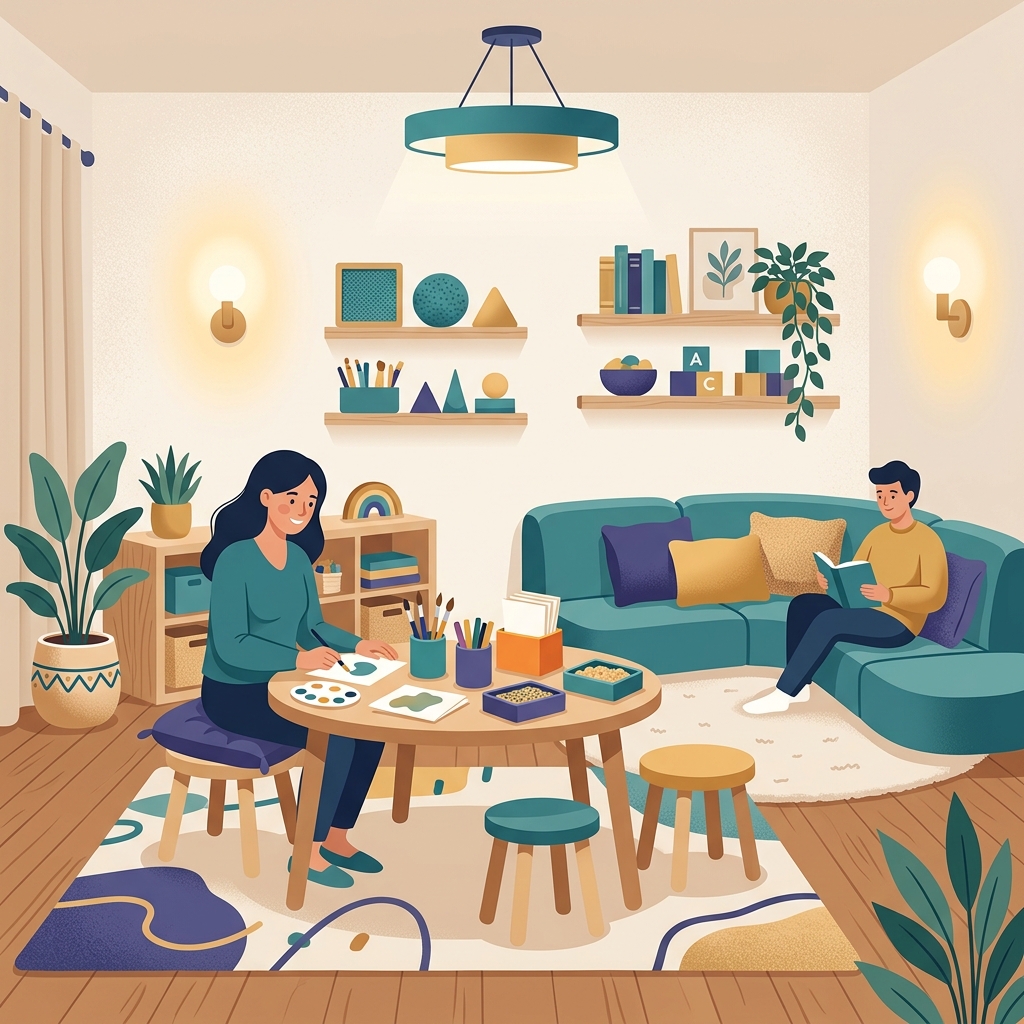
## Post 1: Autism Spectrum Disorder (ASD)
* **Category:** Diagnoses & Clinical Alignments
* **Affiliated Image:** `images/asd_banner.png`
* **Excerpt:** Understanding Autism Spectrum Disorder (ASD) within the Texas HHSC framework and mapping clinical outcomes to off-site sensory integration and social socialization goals.
### 1. HHSC Regulatory Definition & Alignment
Under the Texas Health and Human Services Commission (HHSC) rules for Home and Community-based Services (HCS) and Community Living Assistance and Support Services (CLASS) programs, Autism Spectrum Disorder (ASD) is recognized as a neurodevelopmental related condition. It is characterized by persistent deficits in social communication and social interaction across multiple contexts, alongside restricted, repetitive patterns of behavior, interests, or activities, manifesting before age 22.
### 2. Clinical Overview
ASD affects how individuals perceive and socialize with others, causing difficulties in social interaction and communication. Clinical presentations include:
* Hypo- or hyper-reactivity to sensory input (e.g., sound, light, texture).
* Difficulties in nonverbal communication (e.g., eye contact, body language, facial expressions).
* Challenges in developing, maintaining, and understanding relationships.
* Restrictive, repetitive behavioral patterns or insistence on sameness.
### 3. Typical Functional/Adaptive Challenges
According to the Inventory for Client and Agency Planning (ICAP), individuals with ASD commonly face significant challenges in:
* **Social and Communication Skills:** Interpreting social cues, initiating conversations, and managing social anxiety.
* **Community Living Skills:** Transitioning between environments, coping with public sensory overload, and navigating unpredicted schedule changes.
### 4. Grace Steps Program Alignments (ICAP Goals)
* **Sensory Integration & Calm Environment:** Providing structured environments to reduce sensory-defensive anxiety and improve self-regulation.
* **Social Interaction & Navigation:** Designing small-group or partner tasks to build peer bonding and conversational confidence.
### 5. Facilitator Habilitation Action Guide
* **Environmental Scan:** Prior to arriving at any off-site venue, identify a designated “quiet zone” or breakout area in case of sensory overload.
* **Visual Timelines:** Utilize visual schedule cards to outline step-by-step activities to reduce transition anxiety.
* **Sensory Pacing:** Limit direct outings to a maximum of 2 hours in highly active commercial zones, transitioning to quiet public spaces (e.g., public libraries) for the remainder of the session.