Home >>
Purposeful Leisure: Redefining ‘Life After Work’

In traditional retirement planning, "life after work" is celebrated as a time for self-directed hobbies, exploration, and relaxation. However, for adults with Intellectual and Developmental Disabilities (IDD) transitioning away from school, supported employment, or vocational programs, this transition can sometimes bring a sudden, challenging loss of structure, routine, and peer connection.

Passive retirement at home often leads to social isolation, muscle regression, and a decline in cognitive health.

At Grace Steps, our Off-Site Individualized Skills and Socialization (ISS) program redefines what "life after work" means. We believe that this stage of life should be filled with purpose, activity, and meaningful community membership. Here is how our community-based model helps adults and seniors with IDD transition into a vibrant, self-directed retirement.

—————————————————————————

1. Active Leisure Over Passive Routines

Retirement shouldn't mean staying at home. To support physical health and mental clarity, Grace Steps designs dynamic, interest-based schedules that get participants out into the community.

Rather than sitting in a centralized facility, our participants spend their time exploring:

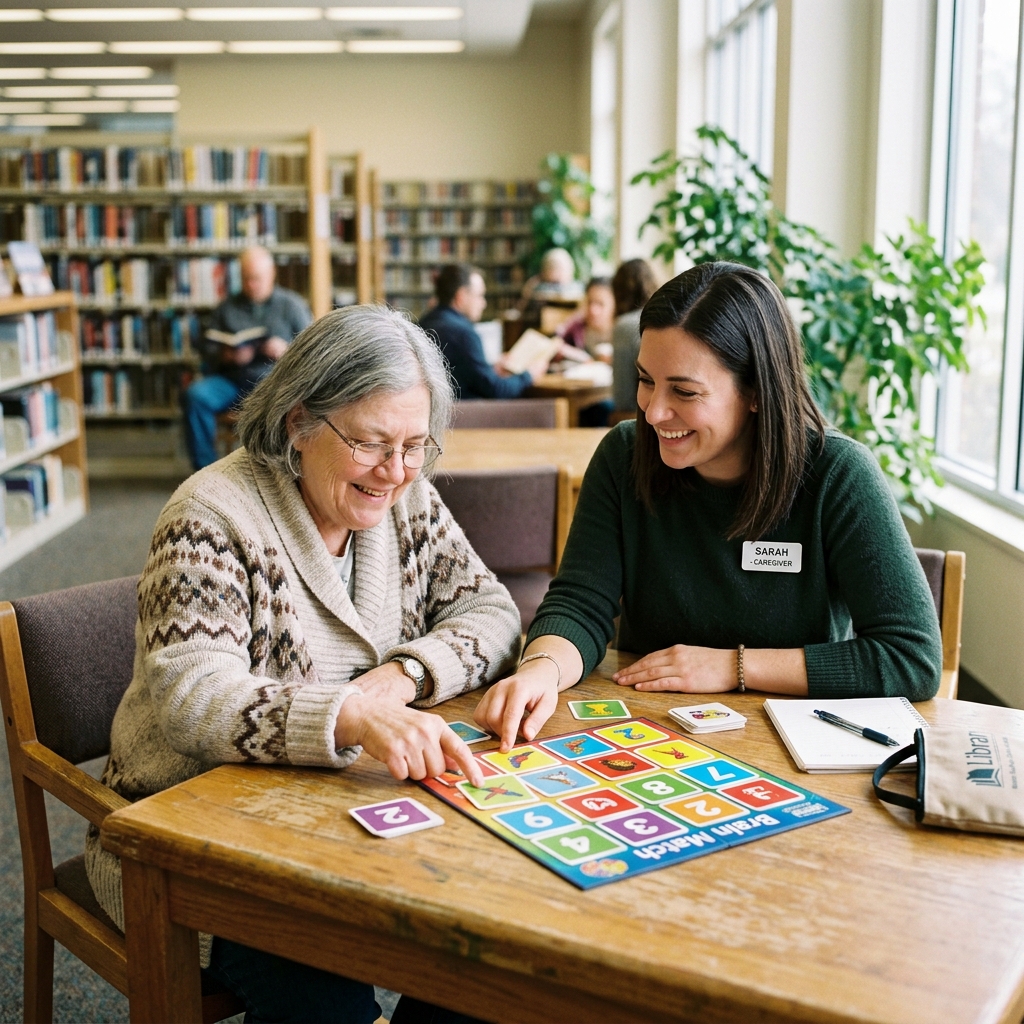
  • Cultural and Educational Spaces: Attending reading groups, historical displays, or tech classes at local public libraries in De Kalb and Texarkana.
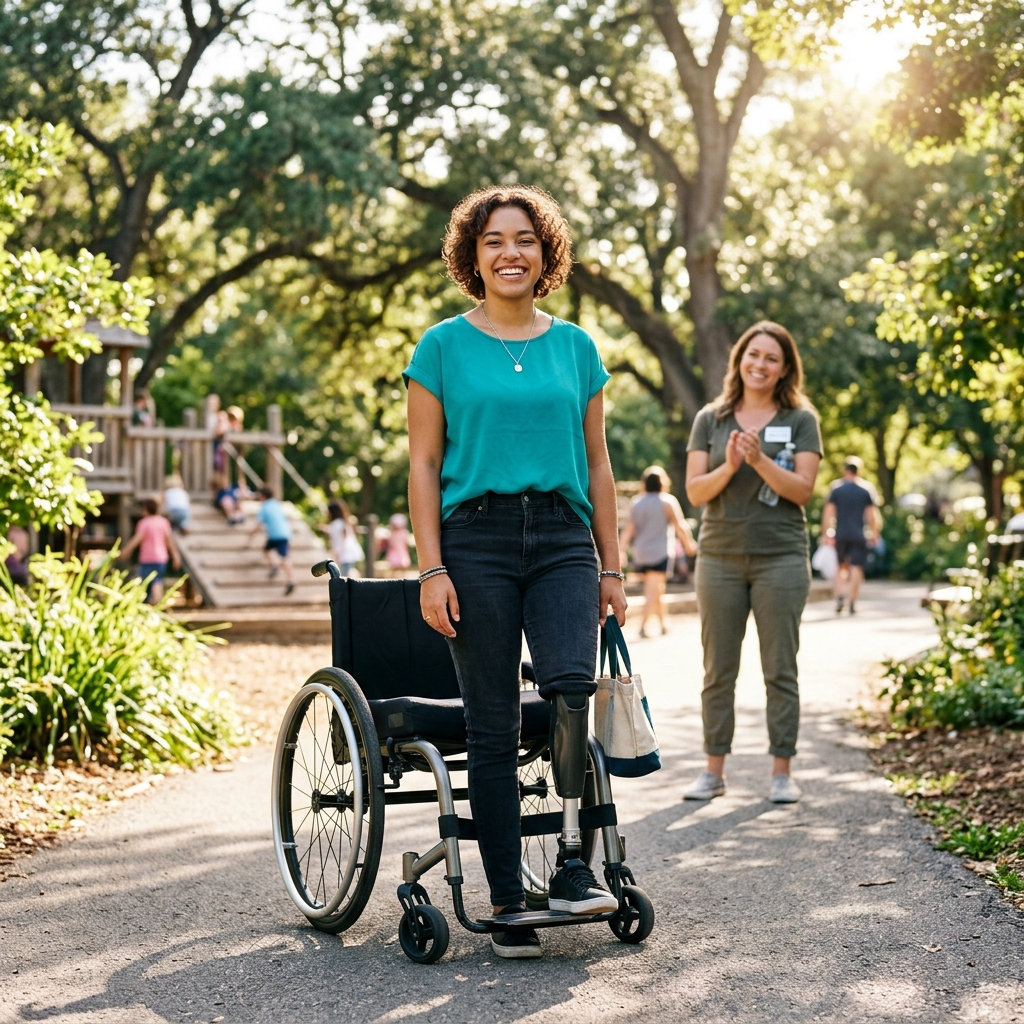
  • Nature and Recreation Areas: Taking gentle, paced walks in Atlanta State Park, enjoying botanical gardens, and practicing outdoor mobility.
  • Creative Expression: Engaging in community-hosted crafts, music circles, and hobby sessions that encourage motor coordination and sensory stimulation.

—————————————————————————

2. Finding New Purpose Through Volunteerism

One of the most rewarding ways to enjoy retirement is by giving back. Grace Steps facilitates structured volunteer opportunities that build a sense of pride, civic contribution, and social belonging:

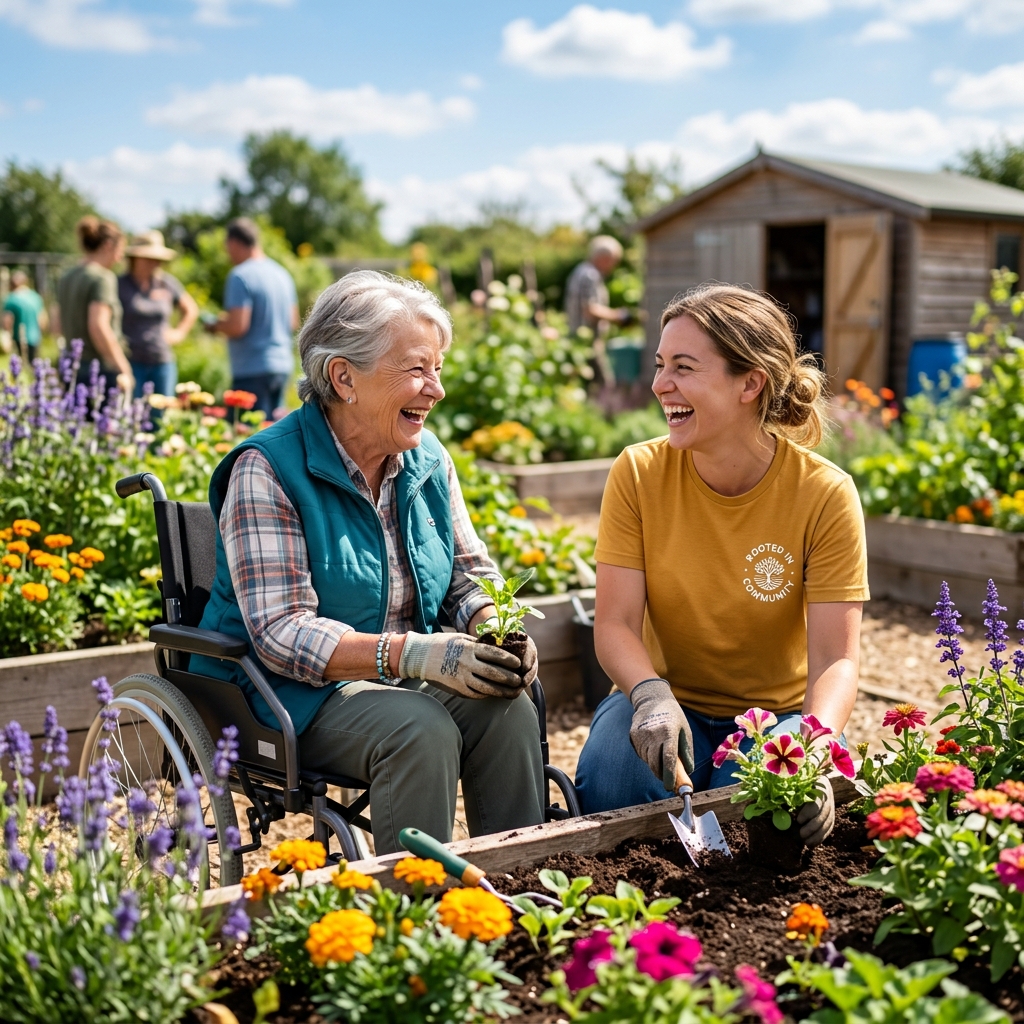
  • Community Gardening: Assisting in local gardens, learning about plant care, and enjoying therapeutic outdoor activity.
  • Food Pantries & Shelters: Helping sort non-perishable goods at local food banks, reinforcing multi-step task completion and team cooperation.
  • Civic Cleanups and Animal Advocacy: Volunteering at shelters or participating in low-impact community cleanup projects under direct ISS supervision.

Volunteering transforms leisure into contribution, showing the community the unique value our participants bring.

—————————————————————————

3. Cognitive Longevity & Skill Maintenance

Under the Texas Health and Human Services Commission (HHSC) rules, off-site socialization serves a clinical habilitative purpose. Every recreation is aligned with the individual's Person-Directed Plan (PDP) and Inventory for Client and Agency Planning (ICAP) outcomes to maintain vital skills:

  • Cognitive Sharpness: Following directions, completing hobby tasks, and engaging in library-based research.
  • Motor Skill Preservation: Practicing fine motor control through crafts, and gross motor stamina through walking and community navigation.
  • Social Boundary Mastery: Interacting with other volunteers, peers, and members of the public in structured social settings.

—————————————————————————

4. Localized, Flexible Routines in Rural Texas

For older adults or those with complex physical and behavioral needs, long travel times are exhausting. Under standard day programs, traveling from rural counties like Bowie or Morris to urban centers (like Lewisville in Denton County) is a multi-hour strain that completely drains a participant’s energy.

By employing primary Host Home/Companion Care (HHCC) providers as facilitators, Grace Steps keeps activities localized and flexible. Caregivers can structure shorter, high-quality, and community-integrated outings right in the participant's neighborhood, avoiding transit exhaustion and maximizing actual leisure time.

Embrace a Vibrant Retirement with Grace Steps

Life after work is an opportunity for new adventures and connections. Through our Off-Site ISS services, we help adults in HCS and CLASS waiver programs across Northeast Texas build active, purposeful, and joyful routines.

*Ready to explore a community-integrated retirement routine for your loved one? Contact the Grace Steps team today to learn more.*
Aging in place for adults with intellectual and developmental disabilities (IDD)

What we eat directly impacts our physical stamina, mental clarity, and long-term health. For older adults and individuals navigating lifelong cognitive or physical disabilities, proper nutrition is the literal fuel that makes active, independent living possible.

In a traditional day habilitation facility, mealtime is often passive. But under the Grace Steps Off-Site Individualized Skills and Socialization (ISS) model, food, nutrition, and meal planning are transformed into active, empowering experiences.

Here is how we integrate energy-boosting nutrition into our community-based outings, helping our participants build stamina, independence, and longevity.


1. Sustained Energy for Active Community Outings

Unlike traditional programs where participants remain seated in a single facility, Grace Steps outings are active and dynamic. A typical day might include:

  • Walking the paved trails of Atlanta State Park.
  • Navigating local community libraries to research hobbies.
  • Sorting items at a regional food pantry for a volunteer project.

To prevent early physical fatigue or sensory-defensive behavioral crashes, maintaining stable blood sugar is critical. Our facilitators work with families to encourage snack and meal planning focused on slow-burning, nutrient-dense foods:

  • Complex Carbohydrates (Oats, Whole Grains): Providing a steady stream of physical energy.
  • Lean Proteins & Healthy Fats (Nuts, Avocados, Seeds): Promoting muscle recovery, focus, and cardiovascular health.
  • Proactive Hydration: Essential for avoiding heat fatigue during warm Texas summers.

2. Grocery Shopping as a Habilitative Life Skill

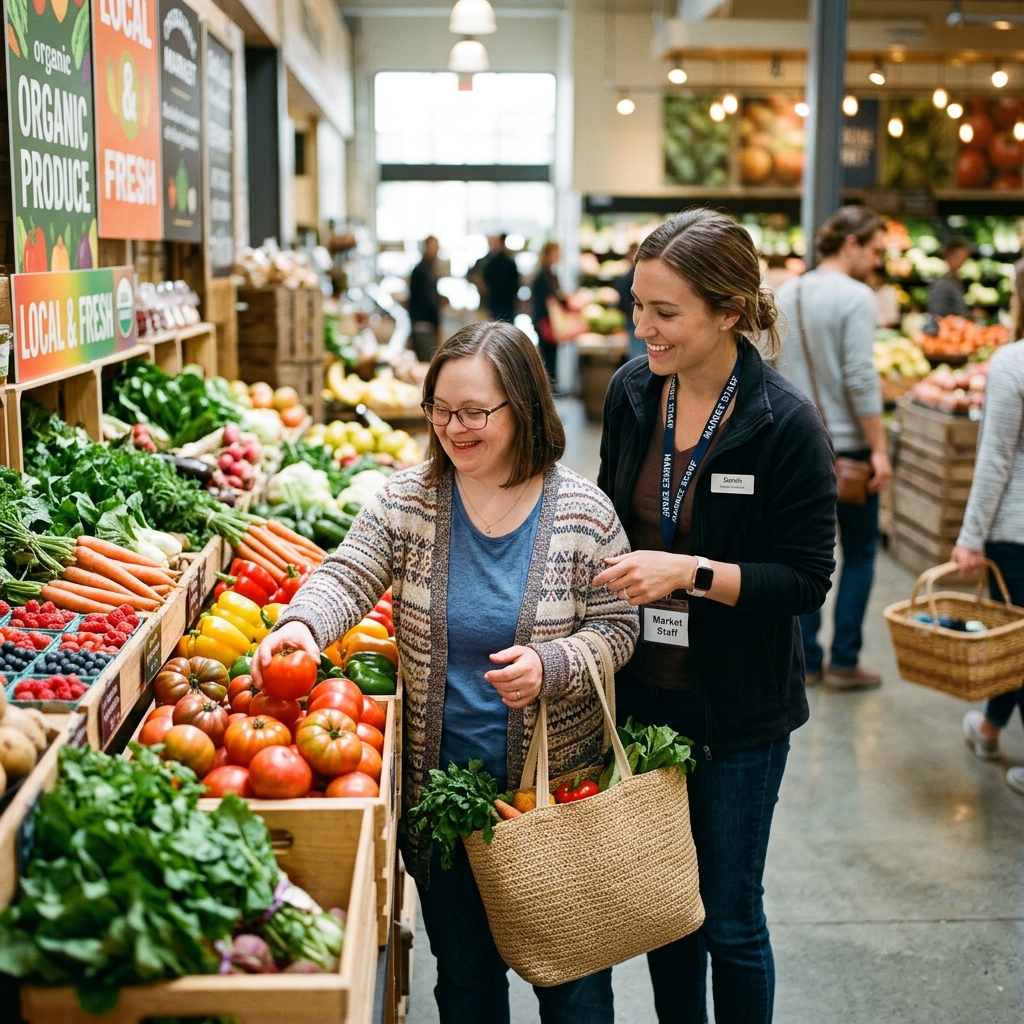
At Grace Steps, we don't just eat healthy foods—we learn how to source them. Under the guidance of our facilitators, shopping at local Northeast Texas grocery stores and farmers' markets is structured around the participant's Person-Directed Plan (PDP) goals:

  • Functional Academics: Reading ingredient labels, identifying fresh produce, and comparing nutritional facts.
  • Financial Literacy: Budgeting cash, calculating total costs, and completing transactions with local store clerks.
  • Social Communication: Practicing conversational turn-taking, asking store employees for assistance, and maintaining appropriate personal space.

By selecting their own healthy ingredients, participants build confidence and take direct ownership of their health.


3. Dietary Safety & the Caregiver-Employee Model

For individuals with complex medical or physical needs (such as Cerebral Palsy or Spina Bifida), nutrition requires strict safety protocols. Many participants have specific physician's orders regarding:

  • Texture Modifications: Foods that must be pureed, chopped, or softened to prevent choking hazards (dysphagia).
  • Allergies & Sensitivities: Strict avoidance of trigger ingredients.
  • Medical Habilitation Needs: Managing medication schedules that require food coordination.

By employing primary Host Home/Companion Care (HHCC) providers as our ISS facilitators, Grace Steps ensures absolute safety. These familiar caregivers are already trained on the participant’s specific dietary protocols, ensuring that healthy meals enjoyed during off-site outings are prepared and consumed in strict compliance with medical directives.


4. Building Longevity and Health Equity

Active lifestyle changes and balanced nutrition help prevent chronic conditions like diabetes, heart disease, and cognitive decline. For individuals with IDD in rural areas, access to fresh food and physical activity can be limited.

By integrating healthy choices directly into our regular Off-Site ISS schedule, we foster lifelong habits that support independent living, long-term wellness, and aging in place with dignity.

Take the Next Step with Grace Steps

Healthy food fuels healthy lives. Through our community-based ISS services, we help participants in the HCS and CLASS waivers build the physical stamina and life skills they need to thrive.

Want to learn how we integrate nutrition and life skills into community outings? Contact our team today to find out more.

Why Friendship and Community Socialization Matter

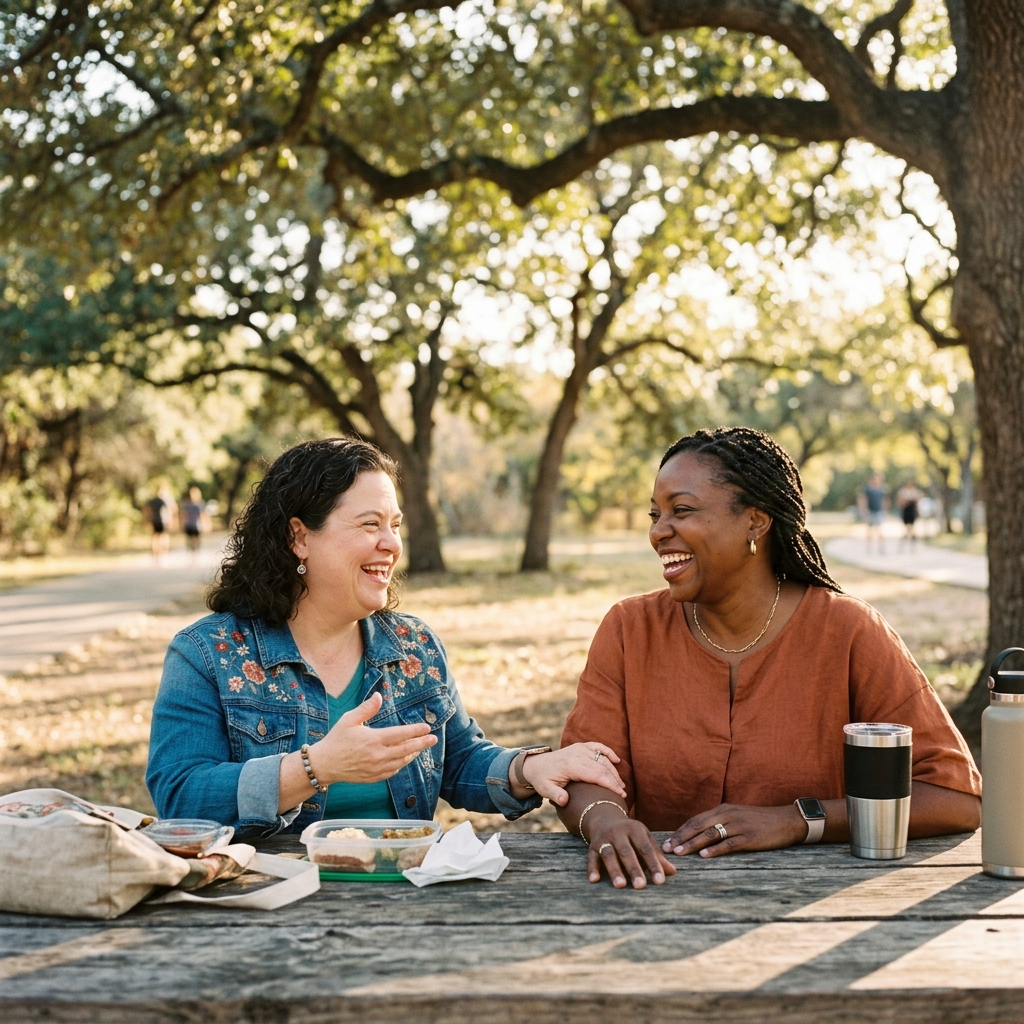
Friendships are the fabric of a fulfilling life. As we navigate the transitions of adulthood and enter our later years, the quality of our social circles becomes a primary predictor of mental sharpness, physical longevity, and emotional health.

However, for individuals with Intellectual and Developmental Disabilities (IDD) and related conditions (such as Autism, Cerebral Palsy, and Spina Bifida), the opportunities to cultivate and sustain these friendships often diminish after leaving school. In rural communities, this physical and social isolation is magnified.

At Grace Steps, our Off-Site Individualized Skills and Socialization (ISS) program is built to change that. We believe that forming authentic friendships and participating in the wider community shouldn't stop as we age. Here is why lifelong connection is vital and how our off-site model makes it a reality.


1. Combating the Silent Strain of Isolation

Research consistently shows that social isolation carries significant health risks, particularly as we age. For individuals with IDD, losing consistent peer interactions can lead to:

  • Skill Regression: A decline in functional communication and adaptive living skills.
  • Emotional Distress: Increased rates of anxiety and depression.
  • Physical Health Decline: A lack of motivation to stay active and mobile.

Our Off-Site ISS model addresses this by meeting individuals exactly where they are. Rather than requiring participants to travel hours to a centralized institutional facility, we deliver socialization services directly within the local communities of rural Northeast Texas (including Bowie, Red River, Titus, and Morris counties).


2. Cultivating Friendships in Natural Settings

True friendship isn't built in isolation or under rigid, clinical structures. It happens naturally when people share experiences. By taking 100% of our service delivery off-site, we create opportunities for organic connections in public, integrated settings chosen by the participants:

  • Civic and Public Libraries: Gathering for book clubs, hobby classes, or technology exploration at local libraries.
  • Recreational and Fitness Parks: Sharing walks along paved fitness trails or participating in adaptive sports like bocce ball and balloon volleyball.
  • Local Volunteer Projects: Working side-by-side at food pantries or community gardens, building pre-vocational skills while contributing to the community.

These environments encourage participants to practice peer navigation, share interests, and experience the mutual support that defines real friendship.


3. The Power of the Caregiver-Employee Model

Entering new public spaces and meeting new people can sometimes trigger anxiety or sensory overload, especially for individuals with complex behavioral or communication needs.

To bridge this gap, Grace Steps employs primary Host Home/Companion Care (HHCC) providers as off-site facilitators. Because these facilitators already have a deep, trusting relationship with the participants, they bring unique clinical advantages:

  • Psychological Safety: A familiar face helps soothe environmental anxiety, allowing the participant to focus on social interaction.
  • Informed De-escalation: Facilitators recognize early behavioral triggers and implement Behavior Support Plans (BSPs) seamlessly, preventing crisis situations.
  • Reinforcement Loop: Skills practiced in the community—like ordering at a café or managing small budget transactions with a friend—are immediately reinforced and integrated into the home environment.

4. Aligning Connections with Individualized Goals (ICAP)

Under the Texas Health and Human Services Commission (HHSC) guidelines, socialization is more than just leisure—it is habilitative. Every off-site activity is designed to support the goals outlined in the participant's Person-Directed Plan (PDP) and measured through Inventory for Client and Agency Planning (ICAP) outcomes:

  • Social Boundaries: Learning to recognize social cues and respect physical space.
  • Active Communication: Using verbal cues, signs, or Augmentative and Alternative Communication (AAC) devices to interact with friends.
  • Community Mobility: Navigating accessible pathways and public transportation systems together.

Join the Grace Steps Community

Friendships keep us healthy, motivated, and connected to the world around us. Through our Off-Site ISS program, we are proud to foster these essential bonds for individuals in HCS and CLASS waiver programs across rural Northeast Texas.

Are you ready to explore community-integrated socialization for your loved one? Contact our team today to learn how we translate Person-Directed Plans into active, meaningful friendships.

Navigating the Dignity of Risk

Confidence is not a static trait—it is a muscle that grows through experience, choice, and engagement with the world. At every stage of life, our self-assurance is shaped by our ability to make decisions, overcome challenges, and navigate our environments independently.

For individuals with Intellectual and Developmental Disabilities (IDD), building this confidence is the core foundation of self-determination. However, traditional day programs often isolate participants within facility walls, shielding them from the community. While this offers high predictability, it can limit opportunities for personal growth.

At Grace Steps, our Off-Site Individualized Skills and Socialization (ISS) program takes a different approach. We believe that true confidence is built in the real world. Here is how our community-based model fosters independence, autonomy, and self-belief at every stage of life.


1. Stepping into the Community: The Off-Site Advantage

True self-assurance doesn't grow in clinical isolation. It is cultivated when individuals step into natural community environments and learn to navigate them. Through our 100% off-site model, participants interact with the public, navigate new physical spaces, and adapt to changing environments.

Whether it is finding a book at the Bowie County library, ordering a drink at a café, or volunteering at a local food bank, these real-world interactions prove to participants that they can successfully engage with the wider community.


2. Embracing the Dignity of Risk

A key component of building confidence is the Dignity of Risk—the concept that individuals with disabilities have the right to make choices, take reasonable risks, and experience the natural consequences of those choices, including making mistakes.

Rather than over-protecting participants, our off-site facilitators support them in taking healthy, structured risks:

  • Making Decisions: Choosing which park trails to walk or which volunteer tasks to take on.
  • Managing Outings: Budgeting personal funds during a retail trip and completing transaction steps.
  • Problem-Solving: Figuring out how to navigate an architectural barrier or coordinate tasks with a peer during a scavenger hunt.

Experiencing success (and learning from minor setbacks) in a supportive environment builds authentic, lasting confidence.


3. Fostering Comfort with a Trusted Safety Net

To confidently step outside of one’s comfort zone, one must first feel secure. This is where our Caregiver-Employee Model shines.

By employing primary Host Home/Companion Care (HHCC) providers as our off-site facilitators, Grace Steps provides a built-in psychological safety net. Because the facilitator already has an intimate, historical bond with the participant:

  • Anxiety Mitigation: They recognize early signs of sensory fatigue or social anxiety and apply calming de-escalation strategies.
  • Encouragement: They know the participant's exact strengths and preferences, giving them the personalized encouragement needed to try new tasks.
  • Physical Safety: They manage physical mobility transfers and wheelchair navigation audits seamlessly, ensuring the participant feels physically secure during community integration.

4. Celebrating Milestones & Individualized Success

Confidence is reinforced when achievements are recognized. Through daily progress logging aligned with Person-Directed Plans (PDP) and Inventory for Client and Agency Planning (ICAP) goals, we track and celebrate every milestone:

  • A manual wheelchair user successfully auditing and navigating a public ramp.
  • An individual with Autism initiating a conversation or greeting a peer at a library social event.
  • A participant completing a structured volunteer task with minimal guidance.

These logged successes provide tangible proof of progress to families, service coordinators, and, most importantly, the participants themselves.

Build Lifelong Confidence with Grace Steps

Confidence opens doors to new friendships, skills, and opportunities. Through our Off-Site ISS services, we are committed to helping adults in Northeast Texas in HCS and CLASS waiver programs discover their capabilities and thrive in the community.

Ready to help your loved one build confidence through real-world experiences? Contact the Grace Steps team today to get started.

Cognitive Vitality

Cognitive Vitality: Keeping the Brain Sharp Through Community-Integrated Habilitation

As we age, maintaining cognitive health, memory, and mental agility becomes a top priority. For individuals with Intellectual and Developmental Disabilities (IDD), sustaining cognitive vitality is essential for retaining independent living skills and preventing early onset age-related decline.

In traditional day habilitation settings, cognitive maintenance is often passive—such as sitting in a classroom doing repetitive worksheets or watching screens.

At Grace Steps, we believe the brain is a muscle that must be exercised in natural, dynamic environments. Through our Off-Site Individualized Skills and Socialization (ISS) model, we take cognitive rehabilitation into the real world. Here is how active community integration keeps the brain sharp and builds cognitive longevity.

—————————————————————————

1. Real-World Navigation as Cognitive Exercise

Navigating a physical community requires high-level executive functioning. Unlike a predictable, walled facility, off-site settings present natural challenges that require active mental processing:

  • Spatial Orientation & Mobility: Navigating layout shifts in retail stores or public spaces, auditing wheelchair ramps, and practicing pedestrian safety.
  • Information Processing: Reading signs, selecting items from directories, and researching interests at local public libraries in De Kalb and Texarkana.
  • Decision Making: Making choices about schedules, selecting destinations, and organizing small purchases.

These activities force the brain to adapt, build new neural pathways, and exercise problem-solving skills in real time.

—————————————————————————

2. Structured Cognitive Games and Hobbies

While real-world navigation provides passive stimulation, Grace Steps structures focused cognitive exercises during community outings:

  • Collaborative Card and Board Games: Playing strategy games, memory matching, or word puzzles in the quiet study rooms of local library branches. These activities stimulate recall, strategic thinking, and pattern recognition.
  • Hobby Research and Application: Researching new interests—like gardening, cooking, or local history—using library computers and books, and then applying that knowledge in the community.
  • Creative Expression: Engaging in tactile arts, crafts, and music circles that coordinate sensory inputs and motor skills.

—————————————————————————

3. Social Interaction as a Natural Brain Booster

Conversations are one of the most complex cognitive tasks the human brain performs. It requires active listening, verbal processing, recalling social rules, and expressing thoughts.

By delivering services 100% off-site, Grace Steps integrates social communication into every outing:

  • Peer Collaboration: Cooperating on group scavenger hunts, shared research projects, and community volunteer efforts.
  • Public Interactions: Practicing greetings, asking store employees for directions, and completing transactions with retail clerks.
  • Recalling Social Norms: Learning to read social cues, manage voice volume in quiet spaces, and respect personal physical boundaries.

This consistent social engagement is a powerful shield against the isolation that accelerates cognitive decline in older adults.

—————————————————————————

4. The Caregiver-Employee Model: Seamless Habilitation

Successfully navigating public spaces and managing cognitive exercises can sometimes cause sensory fatigue or anxiety.

To support participants, Grace Steps employs primary Host Home/Companion Care (HHCC) providers as our off-site facilitators. Because they share a deep, long-term bond with the participant, they provide crucial support:

  • Tailored Scaffolding: Breaking tasks down into manageable steps that match the participant’s specific cognitive baseline.
  • Sensory Modulation: Identifying early signs of cognitive or sensory fatigue and transitioning the participant to a quiet space before a crisis occurs.
  • Home-to-Community Reinforcement: Ensuring that cognitive skills practiced in the community—like basic budgeting or memory routines—are immediately integrated and reinforced in the participant’s daily home life.

Take the Next Step with Grace Steps

A sharp mind leads to a more independent, fulfilling life. Through our Off-Site ISS program, we are dedicated to providing active, stimulating community experiences that foster cognitive longevity and social growth for individuals under HCS and CLASS waivers.

*Interested in learning how we integrate cognitive development into active community outings? Contact our team today to find out more.*

Active Habilitation

Active Habilitation: Tailored Fitness and Mobility for Seniors with IDD

Physical activity is a primary foundation for healthy aging, joint flexibility, and cardiovascular strength. For older adults navigating lifelong Intellectual and Developmental Disabilities (IDD), maintaining physical fitness is not just about wellness—it is critical for preserving mobility, preventing muscle atrophy, and supporting daily independent living.

In traditional day habilitation settings, physical exercise is often limited to sitting in a circle or performing repetitive indoor tasks.

At Grace Steps, we believe that physical habilitation should be active, engaging, and integrated into the natural community. Through our Off-Site Individualized Skills and Socialization (ISS) program, we structure custom, low-impact exercise routines directly within the public parks and trails of Northeast Texas. Here is how our model promotes physical longevity and safe mobility for seniors.

—————————————————————————

1. Dynamic Exercise in Natural Public Spaces

Rather than exercising in an institutional room, Grace Steps seniors take their fitness routines outdoors, utilizing local public resources to stimulate both physical and sensory networks:

  • Paved Fitness Trails: Practicing walking, stride pacing, and balance along flat, accessible paths in Atlanta State Park and local town parks.
  • Botanical and Nature Gardens: Enjoying gentle sensory walks that encourage mobility while providing calming views of nature.
  • Hobby-Based Movement: Incorporating physical activity into active hobbies, such as community gardening or outdoor scavenger hunts.

These real-world environments keep exercise interesting, helping participants stay motivated to move.

—————————————————————————

2. Low-Impact Mobility and Strength Exercises

For seniors and individuals with physical disabilities, exercises must be gentle on the joints while still building core stability and cardiovascular strength:

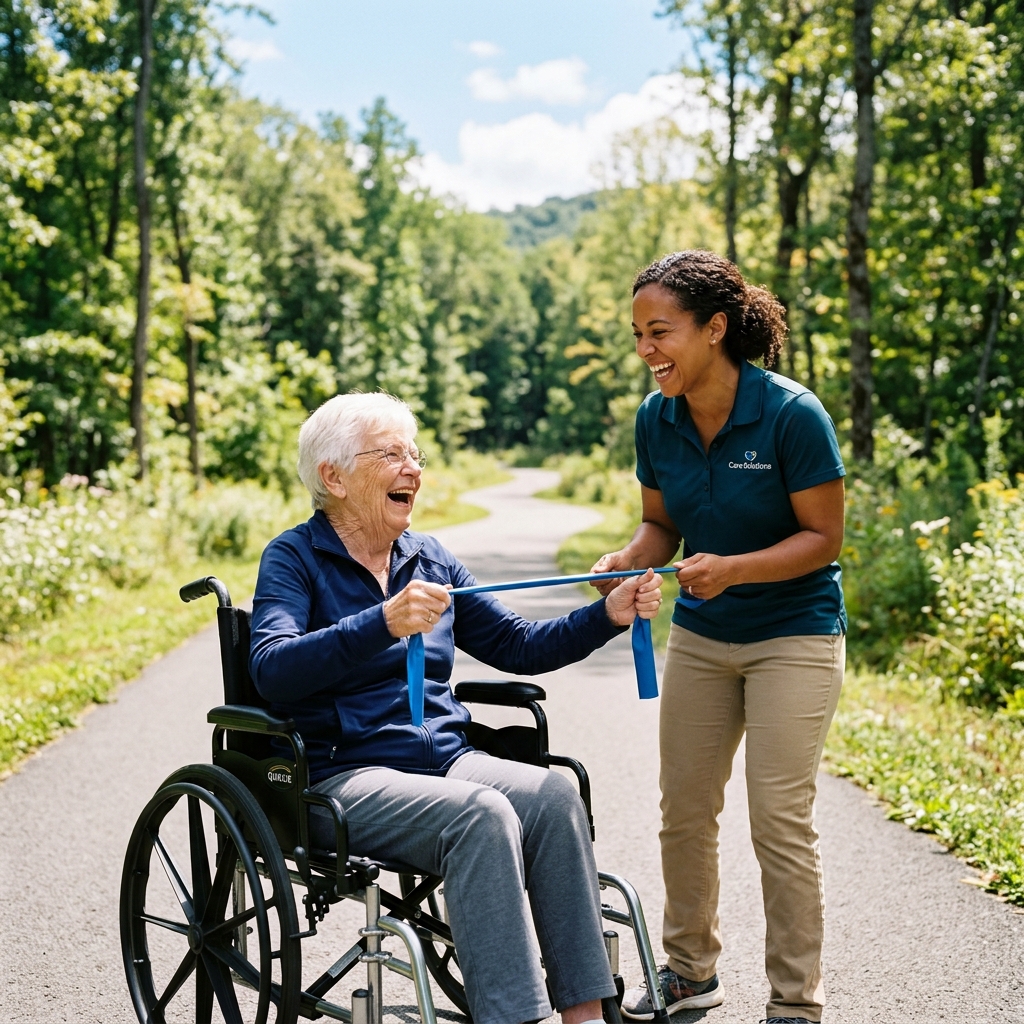
  • Active-Assisted Stretching: Utilizing resistance bands and light stretching to maintain joint flexibility and reduce muscle stiffness.
  • Balance and Coordination: Practicing standing, weight-shifting, and gentle obstacle navigation (like stepping over low curbs) to reduce fall risks.
  • Cardiovascular Pacing: Structuring interval walks with regular rest periods, ensuring participants build stamina without overexertion.

—————————————————————————

3. Adapting to Complex Diagnoses (Cerebral Palsy, Spina Bifida)

Physical fitness requires strict customization to ensure safety for individuals with complex physical or neurological profiles:

  • Wheelchair Self-Propelling: Encouraging manual wheelchair users to self-propel along accessible routes to build upper-body strength.
  • Postural Support and Positioning: Auditing and correcting positioning for participants with scoliosis or muscle spasticity during exercise.
  • Hydration and Temperature Monitoring: Carefully monitoring participants in warm Texas weather to prevent dehydration, which is particularly critical for individuals with impaired thermoregulation (such as those with Spina Bifida).

—————————————————————————

4. The Caregiver-Employee Advantage: Safety First

Stepping onto nature trails or using physical equipment in public requires close monitoring to prevent injury or behavioral anxiety.

To bridge this safety gap, Grace Steps employs primary Host Home/Companion Care (HHCC) providers as our ISS facilitators. Because they are the participant's daily caregivers, they bring vital advantages:

  • Familiarity with Physical Limits: They know the participant’s exact physical baselines, range of motion limitations, and safety triggers.
  • Seamless Behavior Support: They can identify early signs of physical fatigue or frustration and pivot to a relaxing rest period immediately.
  • Continuity of Care: Exercises practiced during off-site ISS hours (like balance routines or mobility transfers) are consistently practiced and reinforced at home.

Take the Next Step with Grace Steps

Staying active keeps us independent and healthy as we age. Through our community-based ISS services, we help older adults in Northeast Texas under HCS and CLASS waivers build the physical strength, mobility, and confidence they need to thrive.

*Want to learn how we customize fitness and mobility goals for community outings? Contact our team today to find out more.*

Cultivating Joy

Cultivating Joy: Healthy Habits and Purposeful Routines in Habilitation

Aging is a journey that should be marked by fulfillment, connection, and joy. For older adults with Intellectual and Developmental Disabilities (IDD), building simple, healthy daily habits is the key to maintaining physical health, cognitive longevity, and emotional well-being.

In traditional day programs, routines are often highly institutionalized and set by the facility, offering participants little choice or personal autonomy.

At Grace Steps, we believe that happiness in later years is built on choice, self-determination, and active participation in the community. Through our Off-Site Individualized Skills and Socialization (ISS) program, we help participants establish positive, health-promoting habits that are grounded in real-world environments. Here is how we cultivate routines that support a happier, healthier old age.

—————————————————————————

1. Fostering Autonomy Through the Power of Choice

A fundamental habit for happiness is having control over one's life. Rather than following a pre-set facility schedule, Grace Steps participants are encouraged to make active decisions every day:

  • Designing Outings: Choosing the parks, libraries, volunteer sites, or cafés they wish to visit.
  • Selecting Activities: Deciding which hobbies, games, or social goals to focus on during the outing.
  • Financial Autonomy: Practicing the habit of budgeting personal funds and making independent transaction choices at stores or cafés.

Fostering this sense of agency builds self-esteem, reduces anxiety, and keeps participants actively engaged with their lives.

—————————————————————————

2. Integrating Healthier Physical and Social Rituals

A happier old age is supported by regular, positive habits that keep both the body and mind active. During our 100% off-site outings, we help participants establish healthy daily rituals:

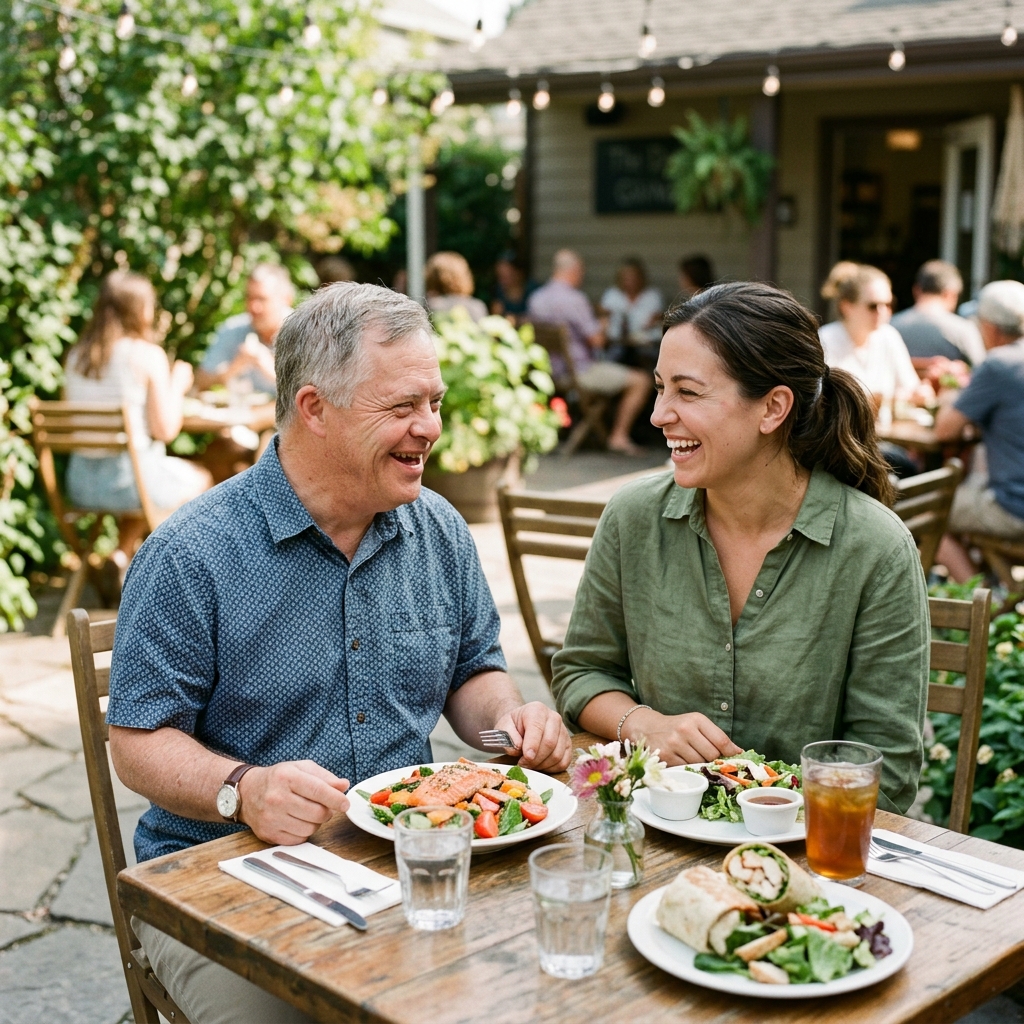
  • Active Nutrition Choices: Practicing the habit of planning healthy menus, shopping for fresh ingredients at local markets, and choosing balanced meals during café visits.
  • Consistent Mobility Walks: Incorporating gentle, scenic walks in outdoor parks to build physical stamina and improve joint health.
  • Regular Social Connections: Making social interaction a daily habit by conversing with peers, meeting community members, and cooperating on shared volunteer projects.

These habits provide a natural sense of routine and security while stimulating physical and mental agility.

—————————————————————————

3. Creating Opportunities for Civic Purpose

One of the most powerful habits for long-term happiness is feeling like a valued, contributing member of society. Traditional programs often position individuals with disabilities solely as recipients of care.

Grace Steps flips this model by establishing structured volunteer habits:

  • Food Pantries & Gardens: Volunteering at regional food pantries or planting community gardens.
  • Civic Contribution: Engaging in community cleanups or supporting local events.

Contributing to the community provides a profound sense of purpose, civic pride, and mutual respect, which are essential components of emotional wellness in older age.

—————————————————————————

4. The Caregiver-Employee Model: Seamless Support

Transitioning between home and community to establish new routines can sometimes be overwhelming.

To bridge this gap, Grace Steps employs primary Host Home/Companion Care (HHCC) providers as off-site facilitators. Because they live and work with the participants, they bring distinct advantages:

  • Trusted Transitions: A familiar, trusted caregiver minimizes environmental anxiety, making new community habits easier to adopt.
  • Consistent Reinforcement: Healthy choices practiced in the community—such as selecting fresh food or managing behavior triggers—are seamlessly reinforced in the home environment.
  • Individualized Pacing: Facilitators understand the participant’s specific baseline, adjusting routines to ensure that outings are positive, stress-free, and joyful.

Take the Next Step with Grace Steps

Healthy habits build happy lives. Through our Off-Site ISS services, we are committed to helping older adults in rural Northeast Texas under HCS and CLASS waivers discover new purposes, make independent choices, and thrive.

*Want to learn more about how we build positive, joy-filled routines into community outings? Contact our team today to find out more.*

Dignity in Every Chapter

Dignity in Every Chapter: Embracing the Beauty of Aging with Off-Site Habilitation

Aging is a natural, beautiful progression of life—a season filled with accumulated wisdom, reflection, and new forms of expression. For individuals with Intellectual and Developmental Disabilities (IDD), entering the senior years should be a time celebrated with dignity, respect, and deep integration into the community, rather than a transition into social isolation or institutional care.

In traditional day programs, senior habilitation often focuses solely on medical maintenance, limiting participants' options to stay active, creative, and socially connected in their community.

At Grace Steps, we believe in honoring the beauty of aging. Through our Off-Site Individualized Skills and Socialization (ISS) program, we structure gentle, enriching experiences that allow older adults to continue growing, exploring, and contributing to the local community in rural Northeast Texas. Here is how our model brings dignity and fulfillment to every chapter of life.

—————————————————————————

1. Celebrating Life Stories and Personal Legacies

Embracing aging means recognizing the rich history and value of each individual. Grace Steps incorporates storytelling, creative expression, and legacy preservation into our off-site outings:

  • Memory & Storytelling Projects: Using quiet library spaces or botanical parks to gather, record, and transcribe personal life stories, which are compiled into scrapbooks or shared with families.
  • Creative and Visual Arts: Engaging in painting, pottery, or crafting classes hosted by local community centers, allowing participants to express their emotions and histories through art.
  • Hobby Continuations: Helping participants maintain lifelong hobbies—like music appreciation, birdwatching, or reading—in natural community settings.

These activities reinforce self-worth, celebrate accomplishments, and ensure that their voices continue to be heard.

—————————————————————————

2. Pacing Outings for Comfort and Wellness

Aging brings changes in physical stamina and mobility. Grace Steps designs off-site schedules to ensure that community integration is comfortable, safe, and stress-free:

  • Slow-Paced Outings: Structuring outings with gentle walking routes, accessible pathways, and frequent rest stops in scenic, low-stress environments.
  • Sensory-Friendly Spaces: Visiting botanical gardens, quiet library study rooms, or local art museums during quieter hours to prevent sensory overload.
  • Adaptive Mobility Support: Conducting regular environmental audits to ensure that wheelchair ramps, seating, and restrooms are safe and accessible.

—————————————————————————

3. Fostering Lifelong Social Connections

A beautiful old age is one spent in the company of friends and supportive peers. Social isolation accelerates cognitive decline and impacts emotional health. Grace Steps builds connection into every outing:

  • Intergenerational Socialization: Participating in library reading circles, local farmers' markets, and community events where participants interact with community members of all ages.
  • Peer Group Socialization: Cultivating small, close-knit groups of friends who share interests and meet regularly to explore the community together.

These relationships build a supportive social fabric, ensuring that our seniors feel connected, appreciated, and loved.

—————————————————————————

4. Caregiver-Employee Model: Supporting Aging in Place

The transition into older age requires a deep level of safety and consistency. For individuals in HCS and CLASS waiver programs, staying in their home community is crucial.

Grace Steps’ Caregiver-Employee model employs primary Host Home/Companion Care (HHCC) providers as off-site facilitators, ensuring that:

  • Aging in Place is Supported: Familiar caretakers deliver clinical and physical support, allowing participants to age gracefully within the safety of their home and local community.
  • Attentive Physical Safeguards: Facilitators monitor physical baselines closely, instantly recognizing changes in gait, stamina, or cognitive response.
  • Psychological Comfort: Having a trusted companion by their side gives participants the confidence to continue exploring new environments.

Take the Next Step with Grace Steps

Aging is a chapter to be honored and enjoyed. Through our Off-Site ISS program, we are proud to support older adults in Northeast Texas, helping them age with dignity, purpose, and active community connection.

*Want to learn how we support aging in place and creative growth for seniors? Contact our team today to find out more.*

Compliance and Accountability

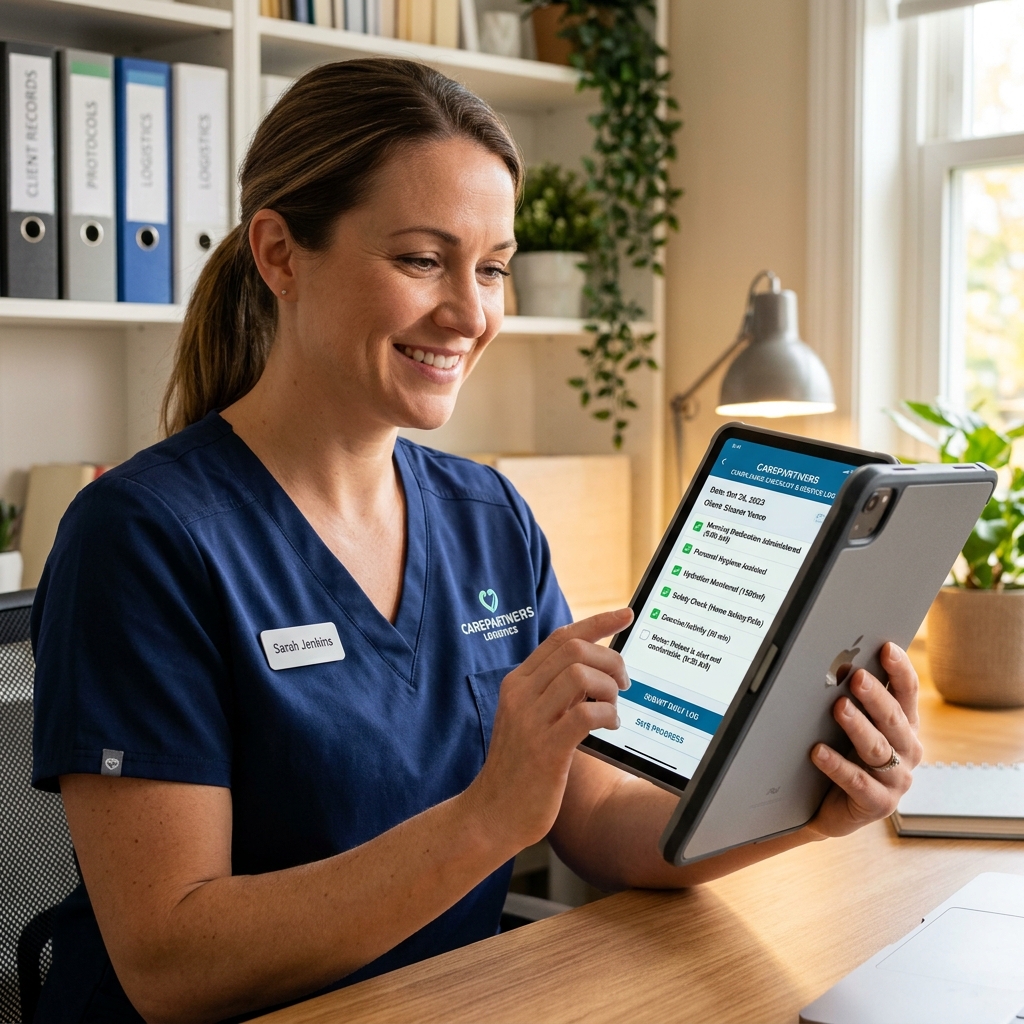
Compliance and Accountability: Policy & Service Log Management in Off-Site ISS

Proper management of policies and service logs is the operational backbone of high-quality caregiving. In the specialized field of Intellectual and Developmental Disabilities (IDD), maintaining clean, accurate, and up-to-date documentation is not only a clinical necessity—it is a strict regulatory requirement under the Texas Health and Human Services Commission (HHSC).

At Grace Steps, we recognize that administrative excellence directly supports care excellence. Under our Off-Site Individualized Skills and Socialization (ISS) program, we implement best practices in policy updates and service logging to ensure absolute audit readiness, transparency, and top-tier service delivery. Here is how we maintain compliance and operational integrity.

—————————————————————————

1. Proactive Updates of Agency Policies

The regulatory landscape for HCS and CLASS waivers is constantly evolving. To remain compliant, caregiver agencies must treat policies as living documents:

  • Evolving Standards: Regularly reviewing and modifying policies to align with updated HHSC rules, Electronic Visit Verification (EVV) compliance standards, and HIPAA privacy rules.
  • Safety Protocols: Ensuring that crisis mitigation plans, behavioral support protocols, and incident reporting forms reflect current clinical best practices.
  • Open Communication: Instantly communicating policy changes to families, case managers, and facilitators to maintain alignment and trust.

Treating policy management proactively prevents service disruptions, legal risks, and audit failures.

—————————————————————————

2. Accurate and Granular Service Logging

Service logs are the primary verification of service delivery. In our off-site model, logging is designed to measure progress against individualized objectives:

  • Goal-Aligned Notes: Every log entry details how the participant's community activity supports their specific Person-Directed Plan (PDP) and Inventory for Client and Agency Planning (ICAP) goals (e.g., practicing monetary transactions or navigating public transit).
  • Timely Documentation: Completing logs immediately after each session to prevent details from being forgotten, ensuring maximum accuracy.
  • Verification Audits: Including clear EVV timestamps, locations, and signatures to verify that the off-site socialization occurred as authorized.

These detailed records provide service coordinators and state auditors with clear proof of active habilitation.

—————————————————————————

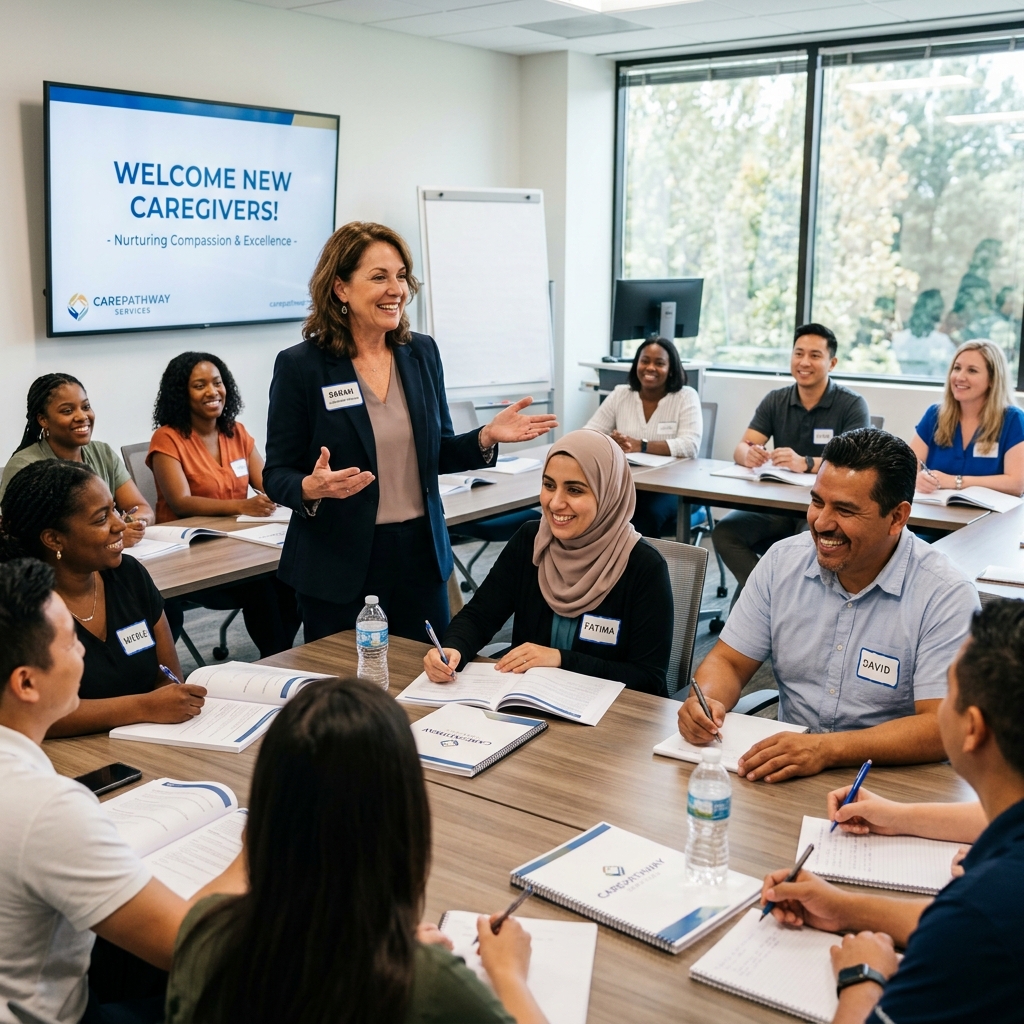
3. Comprehensive Staff Training on Compliance

A policy is only as effective as the staff implementing it. Grace Steps prioritizes regular training programs to ensure all facilitators understand documentation and compliance rules:

  • Documentation Standards: Instructing facilitators on how to write objective, professional log entries that focus on skill-building rather than passive recreation.
  • EVV and Tech Mastery: Training staff on electronic logging applications, ensuring they can manage records and checkouts seamlessly.
  • Emergency Preparedness: Reviewing emergency response procedures, seizure action plans, and behavioral de-escalation protocols on a recurring schedule.

Staff training ensures that compliance is integrated into the daily routine of caregiving, reducing errors and protecting participants.

—————————————————————————

4. Caregiver-Employee Model: Improving Log Quality

Writing detailed service logs can be time-consuming, and documentation delays are a common challenge for agencies. Grace Steps' Caregiver-Employee model resolves this by employing primary Host Home/Companion Care (HHCC) providers as facilitators:

  • Continuous Observation: Because facilitators share a daily routine with the participant, they can record highly accurate, detailed observations without relying on second-hand information.
  • Instant Logging: Facilitators log progress notes and verify EVV checkouts immediately at the end of the session, eliminating delays.
  • Integrated Care Planning: Home observations and community progress are unified into a single clinical loop, allowing for faster adjustments to individual goals.

Take the Next Step with Grace Steps

Operational compliance ensures caregiver sustainability and quality service delivery. At Grace Steps, we are proud to combine clinical excellence with absolute administrative integrity to support families across Northeast Texas.

*Want to learn more about our quality assurance standards or policy updates? Contact the Grace Steps team today to find out more.*

Building the Frontline

Building the Frontline: HR Solutions and Habilitation Training for Caregiver Agencies

A caregiver agency's strength lies entirely in its people. In the delivery of Intellectual and Developmental Disabilities (IDD) services, having a stable, highly skilled, and compassionate workforce is the single most important factor in ensuring participant safety and progress.

At Grace Steps, we recognize that modern Human Resources (HR) solutions are not just about administrative tasks—they are a critical foundation for service quality. Under our Off-Site Individualized Skills and Socialization (ISS) model, we implement key HR strategies to recruit, train, and support a dedicated team of facilitators. Here is how we build caregiver excellence through strategic HR management.

—————————————————————————

1. Recruitment Processes: Hiring for Trust and Empathy

Traditional healthcare recruitment often focuses solely on credential matching. While credentials are essential, off-site habilitation requires specialized personal skills:

  • Values-Based Hiring: Identifying candidates who demonstrate deep empathy, patience, and a passion for active community integration.
  • Community Auditing Skills: Recruiting individuals who have local knowledge of Northeast Texas communities, enabling them to discover new volunteering and library partnerships.
  • Partnering with Families: Actively recruiting existing Host Home and Companion Care providers who already have established, trusting relationships with participants.

This recruitment strategy ensures that facilitators enter public spaces with a solid foundation of trust and emotional safety.

—————————————————————————

2. Dynamic Training Programs: Beyond Basic Compliance

Compliance training (CPR, first aid, medication administration) is the baseline. To deliver true habilitative care, caregiver agencies must invest in ongoing professional development:

  • Habilitation vs. Custodial Care: Training facilitators on how to actively support skill development—like reading menus or practicing budgets—rather than simply supervising recreation.
  • Person-Directed Plan (PDP) Integration: Educating staff on how to translate complex clinical objectives into simple, everyday community tasks.
  • Behavior Support Mastery: Providing extensive training on identifying sensory triggers and applying positive reinforcement to prevent behavioral crises in public settings.

Ongoing training elevates caregiving from a job to a professional clinical practice, reducing errors and improving participant outcomes.

—————————————————————————

3. Goal-Oriented Performance Management

Standard performance systems evaluate caregivers based on shift checklists or hours worked. Grace Steps aligns performance management with participant success:

  • Outcome-Based Reviews: Evaluating facilitators based on how effectively they support participants in achieving their daily Inventory for Client and Agency Planning (ICAP) goals.
  • Feedback Loops: Conducting regular field audits where supervisors observe off-site outings and provide constructive feedback on physical mobility support and communication methods.
  • Recognition and Growth: Celebrating milestones and achievements (such as a participant successfully navigating a public checkout independently) to motivate and retain top talent.

Linking performance directly to participant outcomes fosters a culture of purpose and achievement.

—————————————————————————

4. The Caregiver-Employee Model: Reducing Turnover

The caregiving industry faces notoriously high turnover rates, which can disrupt services and distress participants who rely on consistency. Grace Steps' Caregiver-Employee model addresses this directly:

  • Unified Roles: Employing primary companion care and host home providers as our ISS facilitators.
  • Fair Compensation: Streamlining operations allows us to offer competitive pay rates, reducing the financial stress that leads to employee turnover.
  • Stable Relationships: Giving participants consistent, long-term support from a familiar caregiver, which is critical for their emotional security and developmental progress.

Take the Next Step with Grace Steps

Great care starts with a supported caregiver. At Grace Steps, we are committed to implementing HR solutions that empower our frontline team, ensuring that families across rural Northeast Texas receive the highest quality off-site habilitation.

*Want to learn more about our career opportunities or training standards? Contact the Grace Steps team today to find out more.*