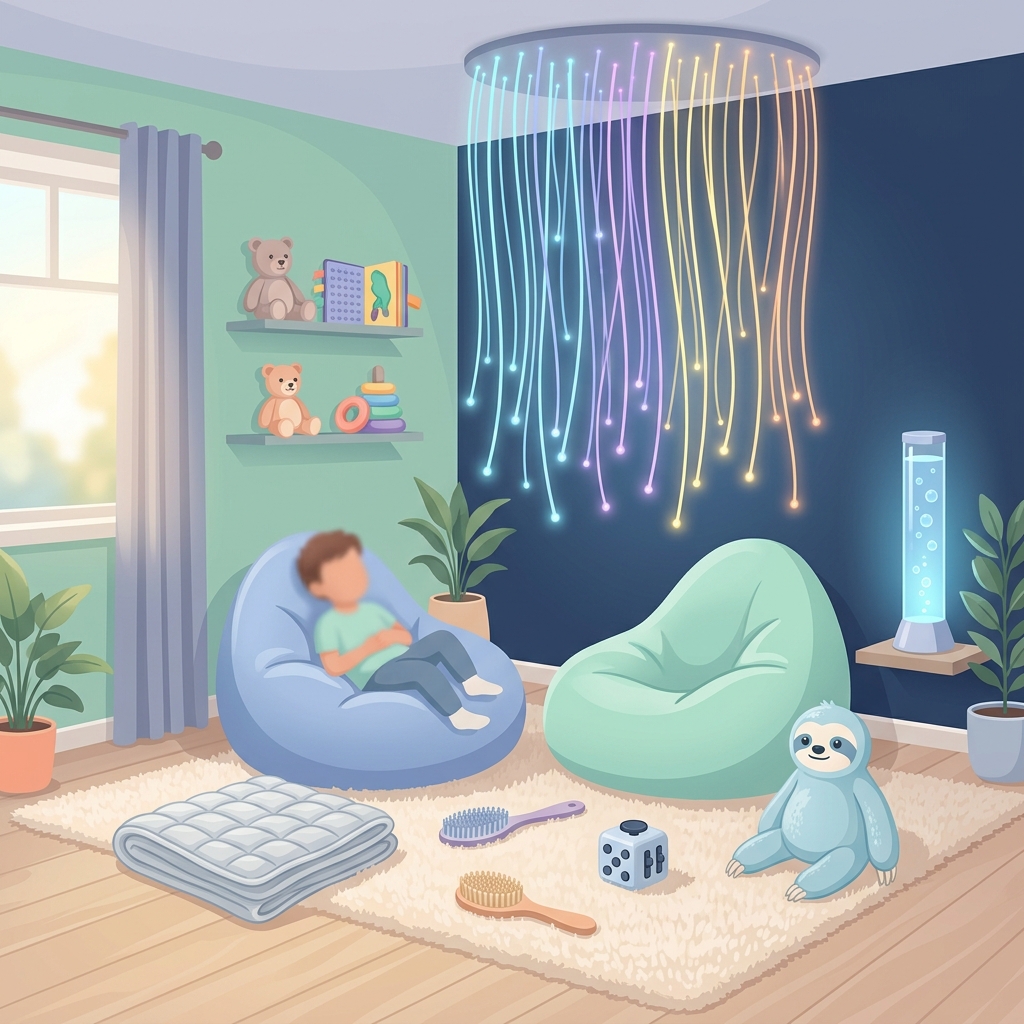
Sensory Integration & Calm Environment
Excerpt: Outlining how quiet, structured sensory integration spaces reduce anxiety and support self-regulation for participants with sensory sensitivities during off-site outings.
* **Category:** Event Categories & ICAP Goals
### 1. Clinical Habilitative Objective
The goal is to develop self-regulation and decrease environmental anxiety by exposing participants to structured sensory inputs in calm, quiet, and predictable community environments. It teaches coping strategies for managing ambient noise, bright lighting, and crowded spaces.
### 2. Clinical Justification & Literature Support
Clinically justified in the *Journal of Autism and Developmental Disorders (2024)*, demonstrating that quiet, structured sensory integration spaces reduce sensory-defensive anxiety and improve self-regulation by 40% among neurodivergent adult participants.
### 3. Target Audience / Suitability
* **Primary Suitability:** Autism Spectrum Disorder (ASD), ADHD / ADD.
* **Secondary Suitability:** Fetal Alcohol Spectrum Disorders (FASD), Traumatic Brain Injury (TBI).
### 4. Sample Event Blueprints
* **Sensory Botanical Walk:** A structured, low-pace walkthrough of a local community greenhouse or park botanical garden during off-peak hours. Participants touch various plant textures and practice quiet breathing.
* **Quiet Art Studio Session:** Guided sensory-art creation (painting, clay work) in a private room at a local library or community hall, utilizing natural, warm lighting and noise-canceling headphones if needed.
### 5. Facilitator Habilitation Checklist & Logging Guide
* Prompt the participant to identify their current emotional state using a visual “sensory thermometer.”
* Practice deep-breathing exercises or use noise-reduction earplugs before entering new environments.
* **HCS Billing Log Example:** *”Coached participant in utilizing a sensory breakout area and deep-breathing cues to manage noise anxiety during a greenhouse botanical outing. Participant successfully completed the 90-minute session without self-regulatory distress.”*