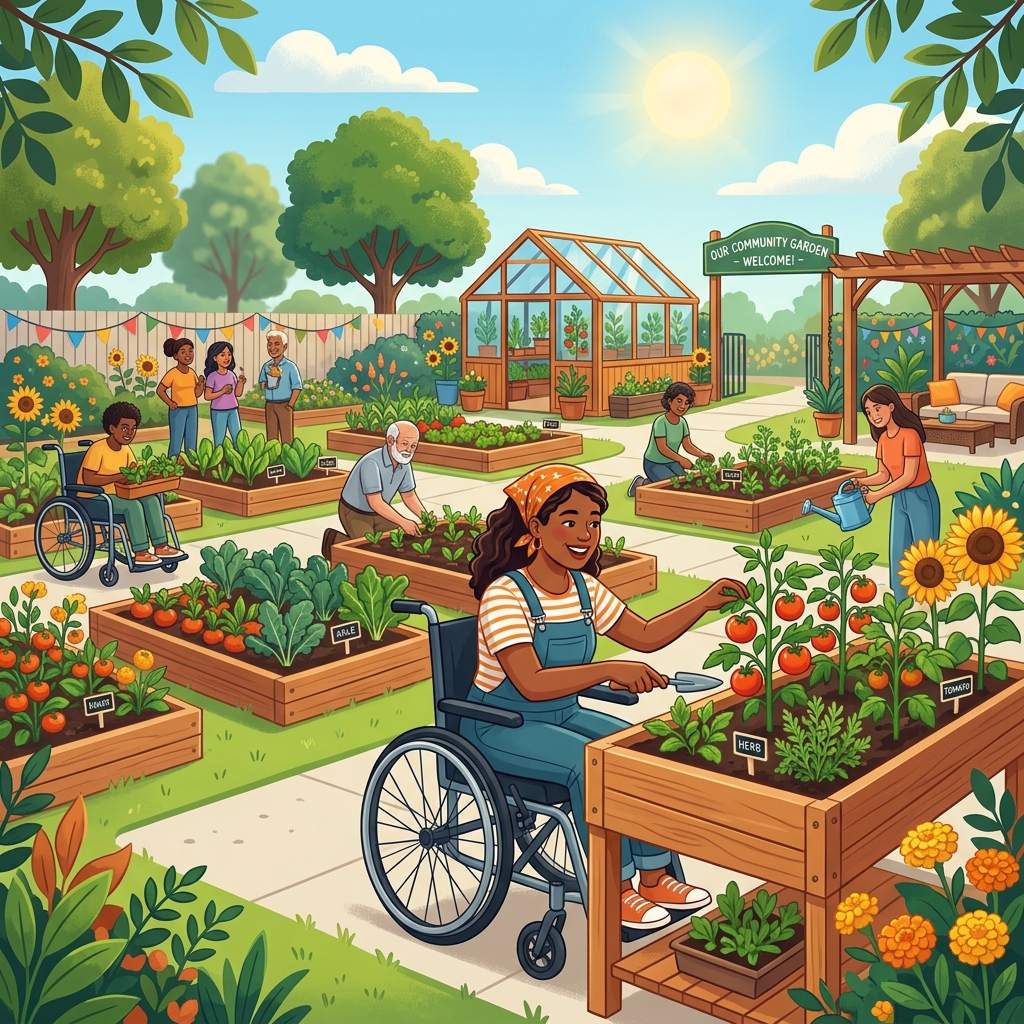
## Post 2: Cerebral Palsy (CP)
* **Category:** Diagnoses & Clinical Alignments
* **Affiliated Image:** `images/cp_banner.png`
* **Excerpt:** Clinical definitions of Cerebral Palsy under HHSC Related Conditions and guidelines for adaptive physical mobility and wheelchair navigation in community integration.
### 1. HHSC Regulatory Definition & Alignment
Cerebral Palsy (CP) is explicitly listed on the Texas HHSC Related Conditions List for the CLASS and HCS waiver programs. It represents a group of permanent disorders of the development of movement and posture, causing activity limitation, attributed to non-progressive disturbances that occurred in the developing fetal or infant brain.
### 2. Clinical Overview
CP primarily impacts motor function, muscle coordination, and posture. The clinical presentation varies depending on the type (spastic, dyskinetic, ataxic, or mixed) and severity, including:
* Spasticity (hypertonia) or floppy muscle tone (hypotonia).
* Lack of muscle coordination when performing voluntary movements (ataxia).
* Tremors or involuntary movements.
* Delays in reaching motor skills milestones or physical mobility limitations.
### 3. Typical Functional/Adaptive Challenges
Key ICAP adaptive functioning domains impacted include:
* **Motor Skills:** Challenges with fine motor coordination (e.g., handling money, feeding) and gross motor coordination (e.g., walking, transferring, balancing).
* **Personal Living Skills:** Requiring adaptive equipment (e.g., braces, walkers, wheelchairs) and physical prompting for self-care activities.
### 4. Grace Steps Program Alignments (ICAP Goals)
* **Adaptive Physical Exercise:** Promoting gross motor strength, range of motion, and physical endurance in community-based recreational settings.
* **Wheelchair Accessibility Exploration:** Teaching independent or guided wheelchair mobility and mapping accessible pathways.
### 5. Facilitator Habilitation Action Guide
* **Path Audits:** Always verify that destination pathways are paved, smooth, and have appropriate curb cuts (zero step-ups).
* **Positioning Support:** Ensure the individual has regular postural adjustments and access to padded seating during off-site outings.
* **Adaptive Tools:** Provide weighted clipboards, thick-grip writing tools, and reacher/grabbers to promote independent participation in community activities.