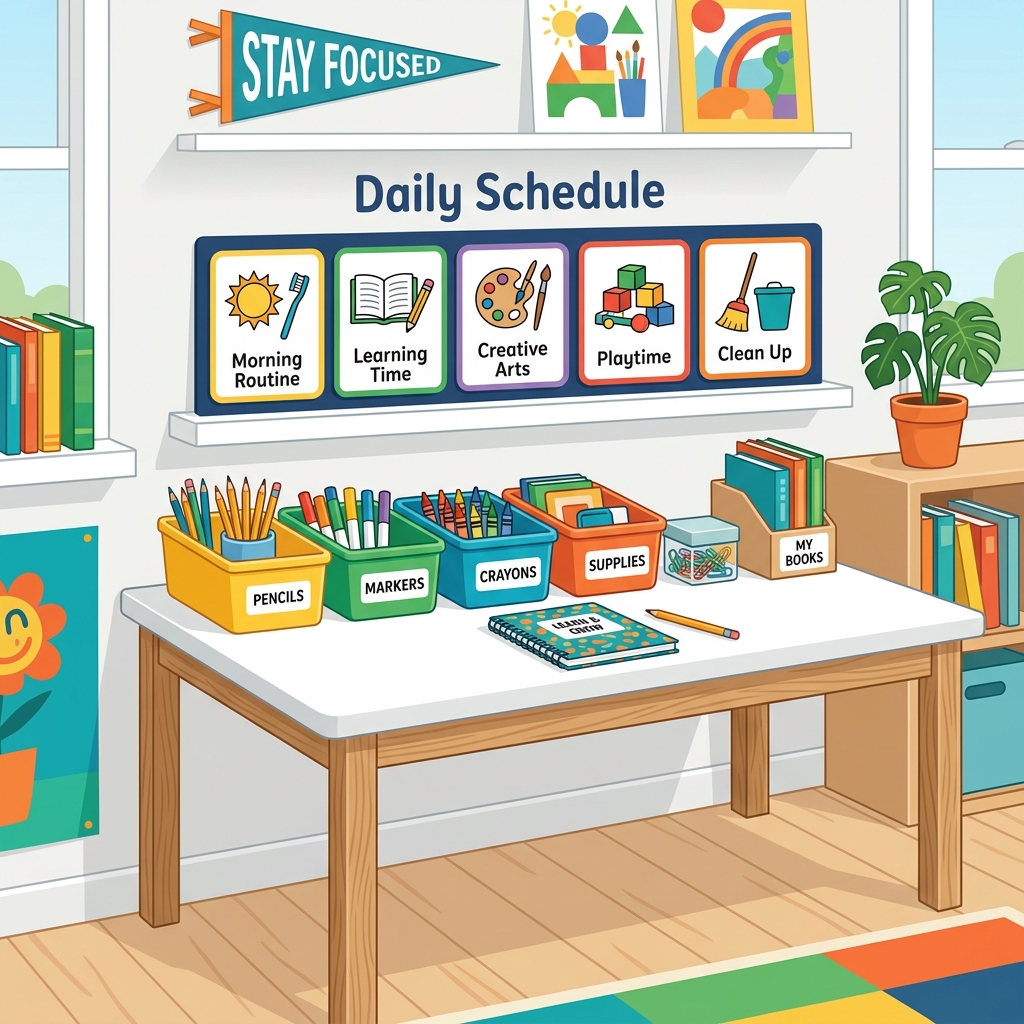
## Post 7: Attention-Deficit/Hyperactivity Disorder (ADHD / ADD)
* **Category:** Diagnoses & Clinical Alignments
* **Affiliated Image:** `images/adhd_banner.png`
* **Excerpt:** Managing hyperactivity, executive dysfunction, and focus redirection in off-site learning and community settings.
### 1. HHSC Regulatory Definition & Alignment
While ADHD / ADD is a common neurodevelopmental disorder, within the HHSC HCS and CLASS waiver framework, it is typically recognized and addressed as a co-occurring behavioral diagnosis alongside primary Intellectual Disabilities or other Related Conditions. It requires documented behavior support plans and targeted adaptive habilitation goals.
### 2. Clinical Overview
ADHD is characterized by a persistent pattern of inattention, hyperactivity, and impulsivity. Clinical behaviors include:
* Inability to maintain focus on structured tasks, easily distracted by external stimuli.
* Fidgeting, restlessness, and difficulty remaining seated or calm.
* Impulsive decision-making, difficulty waiting for turn, and interrupting others.
* Executive function deficits: Disorganization, poor time management, and task initiation blocks.
### 3. Typical Functional/Adaptive Challenges
ICAP scores highlight limitations in:
* **Social and Communication Skills:** Interruption during conversations, failure to follow multi-step rules, and emotional dysregulation when frustrated.
* **Community Living Skills:** Maintaining personal safety (e.g., impulsively stepping into traffic), staying on task in busy retail settings, and organizing personal items.
### 4. Grace Steps Program Alignments (ICAP Goals)
* **Cognitive Rehabilitation Activities:** Building focus and executive function through structured memory, sorting, and pattern games.
* **Monetary Transaction Practice:** Practicing organized step-by-step transaction checkouts to reinforce patience and task sequencing.
### 5. Facilitator Habilitation Action Guide
* **Distraction Controls:** Conduct structured learning activities in quiet corners of public libraries rather than high-traffic areas.
* **Active Interventions:** Incorporate physical movement into the session (e.g., “Let’s walk to find the items on our list, then sit to budget”).
* **Behavioral Redirection:** Use positive reinforcement and clear verbal cues rather than negative corrections. Offer choices between two approved tasks to foster self-direction.