- What it is: Large community meals, bake sales, or benefit events that welcome the public.
- Skills Developed:
- Socialization: Practicing table manners, making small talk, introducing oneself, and dining in a public group setting.
- Individualized Skills: Selecting balanced meals, understanding buffet/dining lines, and assisting with clean-up.
## Post 8: Intellectual Disability (IDD)
* **Category:** Diagnoses & Clinical Alignments
* **Affiliated Image:** `images/idd_banner.png`
* **Excerpt:** Core HCS criteria for Intellectual Disability (IDD), focusing on adaptive behavior development, money skills, and transit navigation.
### 1. HHSC Regulatory Definition & Alignment
Intellectual Disability (IDD) is the primary qualifying diagnosis for the HCS and TxHmL waiver programs. According to HHSC criteria, it is defined as a disability characterized by significant limitations both in intellectual functioning (IQ score of approximately 70 or below) and in adaptive behavior, originating before age 18.
### 2. Clinical Overview
IDD impacts cognitive capacity and adaptive behaviors required for daily life. Key features include:
* Delays in cognitive development, learning speed, and problem-solving.
* Difficulties in reading, writing, and functional mathematics.
* Challenges with adaptive skills (e.g., communication, self-care, social skills, and safety awareness).
### 3. Typical Functional/Adaptive Challenges
According to the ICAP, individuals with IDD show significant limitations in:
* **Independent Living / Community Living Skills:** Budgeting money, using public transit, cooking safely, and managing personal emergencies.
* **Social and Communication Skills:** Vulnerability to social exploitation, expressing complex emotions, and understanding abstract social contracts.
### 4. Grace Steps Program Alignments (ICAP Goals)
* **Monetary Transaction Practice:** Hands-on budgeting, money counting, and checkout completion at community retail locations.
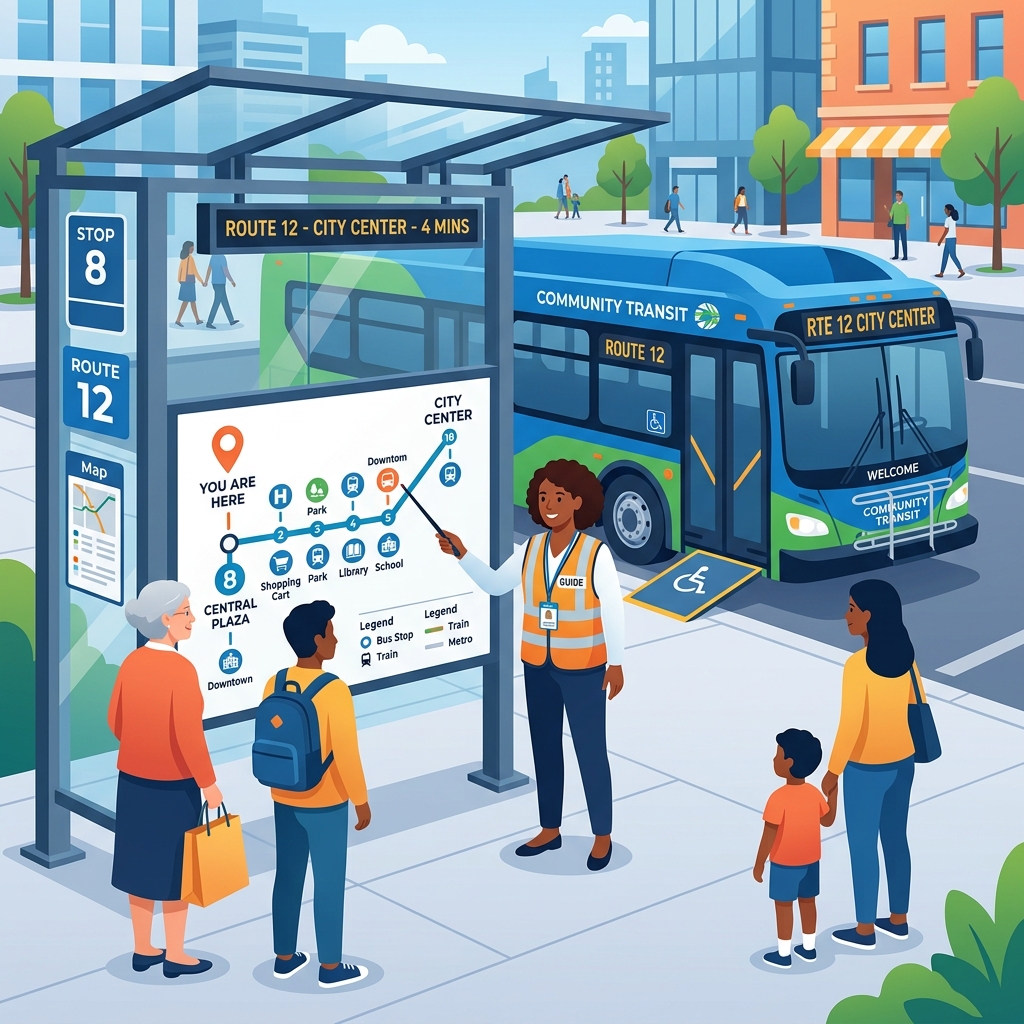
* **Public Transit Navigation Training:** Teaching pedestrian safety, reading route schedules, and practice boarding/exiting public transit.
* **Vocational/Volunteer Service:** Developing pre-vocational habits through community volunteerism.
### 5. Facilitator Habilitation Action Guide
* **Concrete Examples:** Avoid abstract language. Show real objects or pictures to explain concepts (e.g., showing a real dollar bill when explaining money).
* **Repetition and Reinforcement:** Teach skills in natural community contexts repeatedly. Consistency is critical for memory retention.
* **Safety Prompting:** Prioritize pedestrian safety during all transitions. Always review street crossing protocols (Look left, right, left) before stepping off the curb.