## Post 9: Prader-Willi Syndrome (PWS)
* **Category:** Diagnoses & Clinical Alignments
* **Affiliated Image:** `images/pws_banner.png`
* **Excerpt:** Dietary safety protocols, environment controls, and structured volunteerism guidelines for individuals with Prader-Willi Syndrome.
### 1. HHSC Regulatory Definition & Alignment
Prader-Willi Syndrome (PWS) is a complex genetic disorder listed on the Texas HHSC Related Conditions List. It is attributable to chromosomal abnormalities on chromosome 15, manifesting before age 22 and causing substantial limitations in self-care, learning, and capacity for independent living.
### 2. Clinical Overview
PWS has unique physiological and behavioral presentations, most notably:
* Hyperphagia: A chronic, insatiable hunger that leads to life-threatening obesity if food access is not strictly managed.
* Mild intellectual disability and learning difficulties.
* Behavioral symptoms: Stubbornness, temper outbursts, obsessive-compulsive behaviors, and resistance to routine changes.
* Physical features: Hypotonia, poor physical stamina, and short stature.
### 3. Typical Functional/Adaptive Challenges
ICAP functional scales indicate deficits in:
* **Self-Care / Personal Safety:** Absolute inability to regulate food intake, requiring continuous supervision in environments where food is present.
* **Social and Communication Skills:** Rigid thinking, intense emotional outbursts when food access is restricted, and difficulty adapting to environmental changes.
### 4. Grace Steps Program Alignments (ICAP Goals)
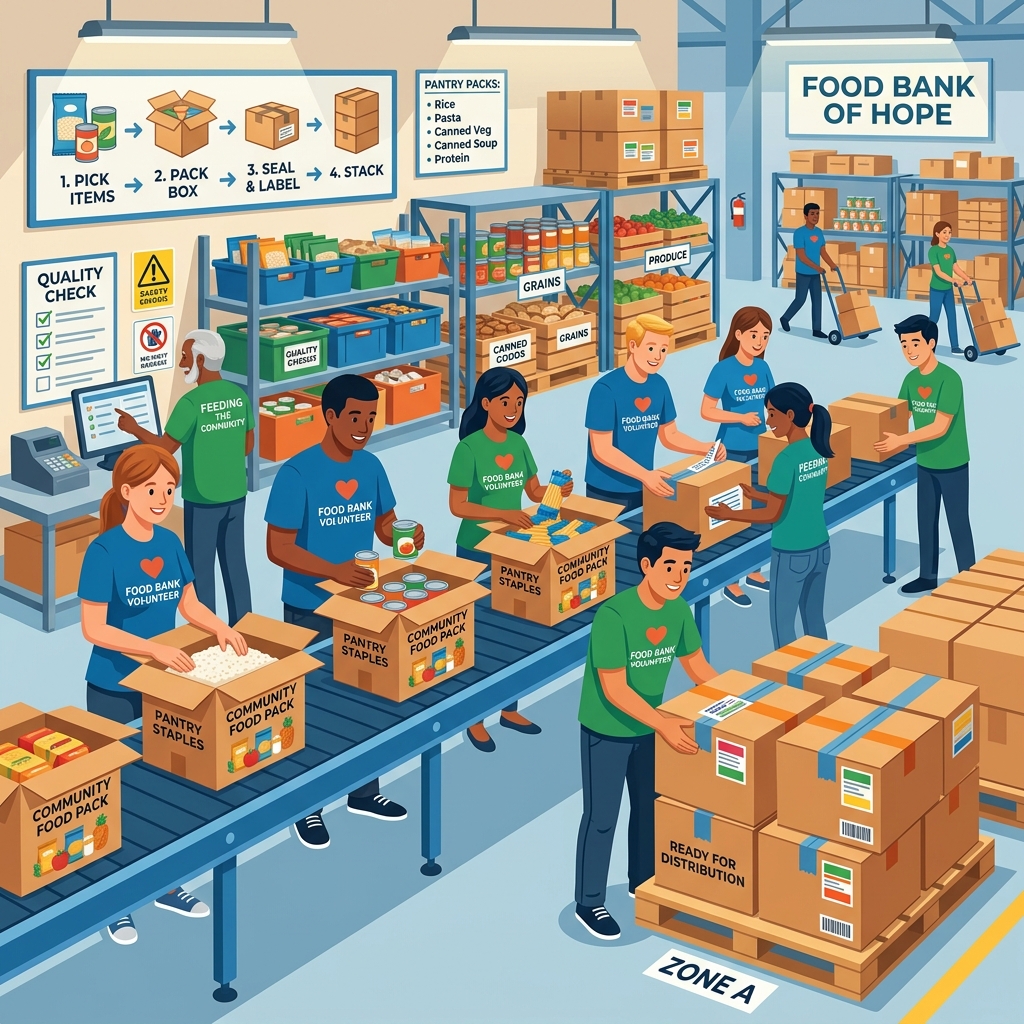
* **Vocational/Volunteer Service:** Engaging in structured sorting and packaging tasks in food-free volunteer environments.
* **Small Group Socialization:** Practicing peer interaction within a highly structured routine.
### 5. Facilitator Habilitation Action Guide
* **Absolute Food Control:** Ensure all outings take place in environments where food is not openly accessible (avoid bakeries, open markets, or cafes). Secure any personal food items out of sight.
* **Consistency of Schedule:** PWS participants require strict, predictable schedules. Provide advance notice of any inevitable schedule adjustments to prevent behavioral escalations.
* **Physical Pacing:** Due to hypotonia and reduced stamina, schedule low-impact physical movements and provide seated rest intervals.